

Uganda’s electricity supply reserve margin has dropped to 0.67%, raising concerns over the country’s ability to meet growing power demand as industries expand and persistent outages continue to disrupt businesses.
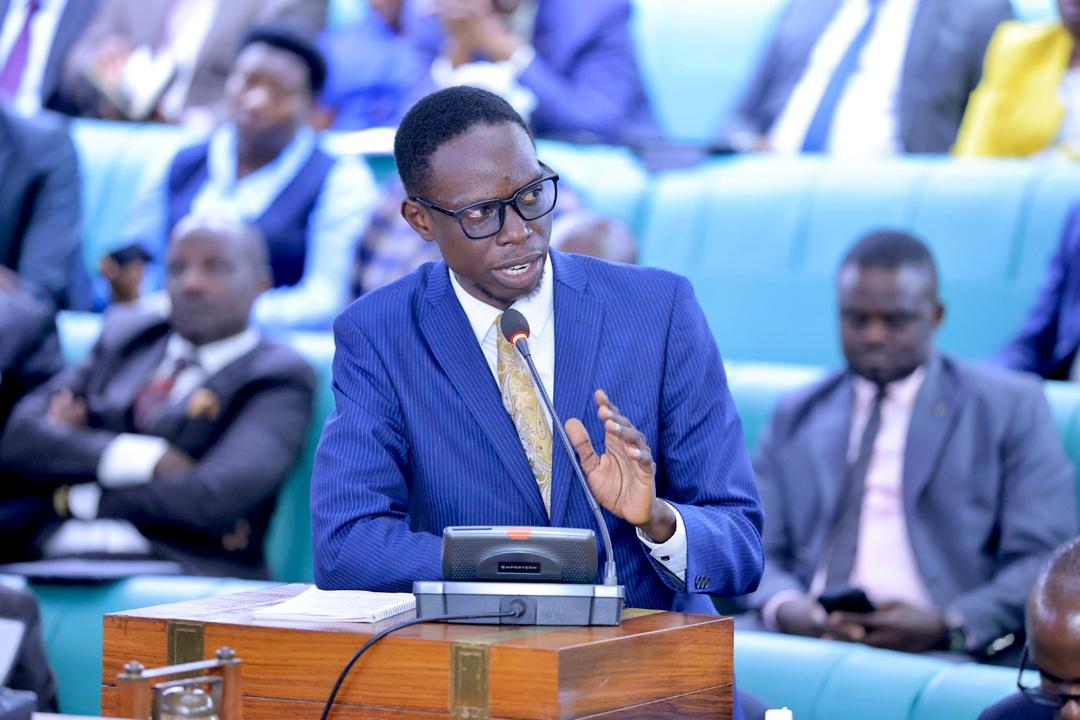
Kole South Member of Parliament and Chairperson of Parliament’s Committee on Tourism, Trade and Industry, Boniface Okot, on Tuesday, November 10, 2026, warned that the country’s electricity reserve margin was far below the internationally recommended 20%, despite annual power demand growing by more than 20% due to industrialisation.
Okot called for the immediate restoration of two non-functional generating units at Karuma Hydropower Plant, saying their return to operation would inject 180 megawatts into the national grid and raise the reserve margin to 13%.
He also urged government to diversify Uganda’s electricity generation beyond hydropower, which accounts for 82% of the country’s supply, through investments in geothermal, solar and other reliable energy sources to reduce vulnerability to climate change.
The legislator further raised concern over transmission losses, which he said stood at 18% against the Electricity Regulatory Authority’s (ERA) target of 14%. He estimated that the four-percentage-point gap translates into approximately Shs130 billion in lost revenue.
Okot also disclosed that electricity interruptions had reached 107 hours by mid-year, against ERA’s annual target of 81 hours, warning that frequent outages had increased industries’ operational costs by 120%. He called on ERA to enforce its regulatory mandate and penalise institutions responsible for persistent power disruptions.
His concerns came as Parliament adopted a report by the Committee on Environment and Natural Resources, chaired by Kazo County MP Dan Kimosho, which attributed persistent electricity outages across the country to years of inadequate investment in distribution infrastructure, ageing equipment and rising demand.
The report revealed that 47% of Uganda Electricity Distribution Company Limited’s (UEDCL) transformers had been in service for more than 30 years, while 74% of distribution transformers lacked adequate protective equipment, exposing the network to frequent breakdowns.
It further established that electricity demand had increased by 60% over the past five years without corresponding investment in the distribution network, leaving the system struggling to cope with growing consumption.
The committee also highlighted the unavailability of two generating units at Karuma Hydropower Plant, accounting for 180 megawatts, as part of the challenges affecting the country’s electricity supply.
Meanwhile, State Minister for Energy Sidronius Okaasai assured Parliament that power interruptions in Kampala were temporary, attributing some of the blackouts to vandalism. He pledged that the disruptions would be eliminated by the end of November 2026 as the city is interconnected to Karuma and Jinja power dams.
UEDCL also informed Parliament that it planned to procure 1,000 transformers through regional and international suppliers to address immediate shortages. The company further disclosed that it was seeking $994 million in infrastructure investment to strengthen the distribution network and accommodate the country’s growing electricity demand.
The concerns have renewed attention on the need to expand and modernise Uganda’s electricity infrastructure, as the country pursues industrialisation amid rising demand for reliable and affordable power.