


By Walter Okello
Lira, Uganda | In the Lango sub-region of northern Uganda, farmers and everyday consumers face a silent but significant risk of being shortchanged in transactions due to use of unauthorized or inappropriate weighing scales.
Many lack awareness of the critical distinction between scales approved for commercial trade and those designed only for household or personal use, leading to unfair dealings with middlemen, produce buyers, and shop operators.
According to regulations enforced by the Uganda National Bureau of Standards (UNBS)—under the Ministry of Trade, Industry and Cooperatives—only specific weighing instruments verified and stamped by UNBS are legally permitted for business transactions. These include platform scales, counter machines, spring balances, and similar equipment used in trade, which undergo periodic calibration and verification to ensure accuracy and fairness. Approved scales for trade must bear a valid UNBS verification stamp or sticker, confirming they meet legal standards for commercial use.
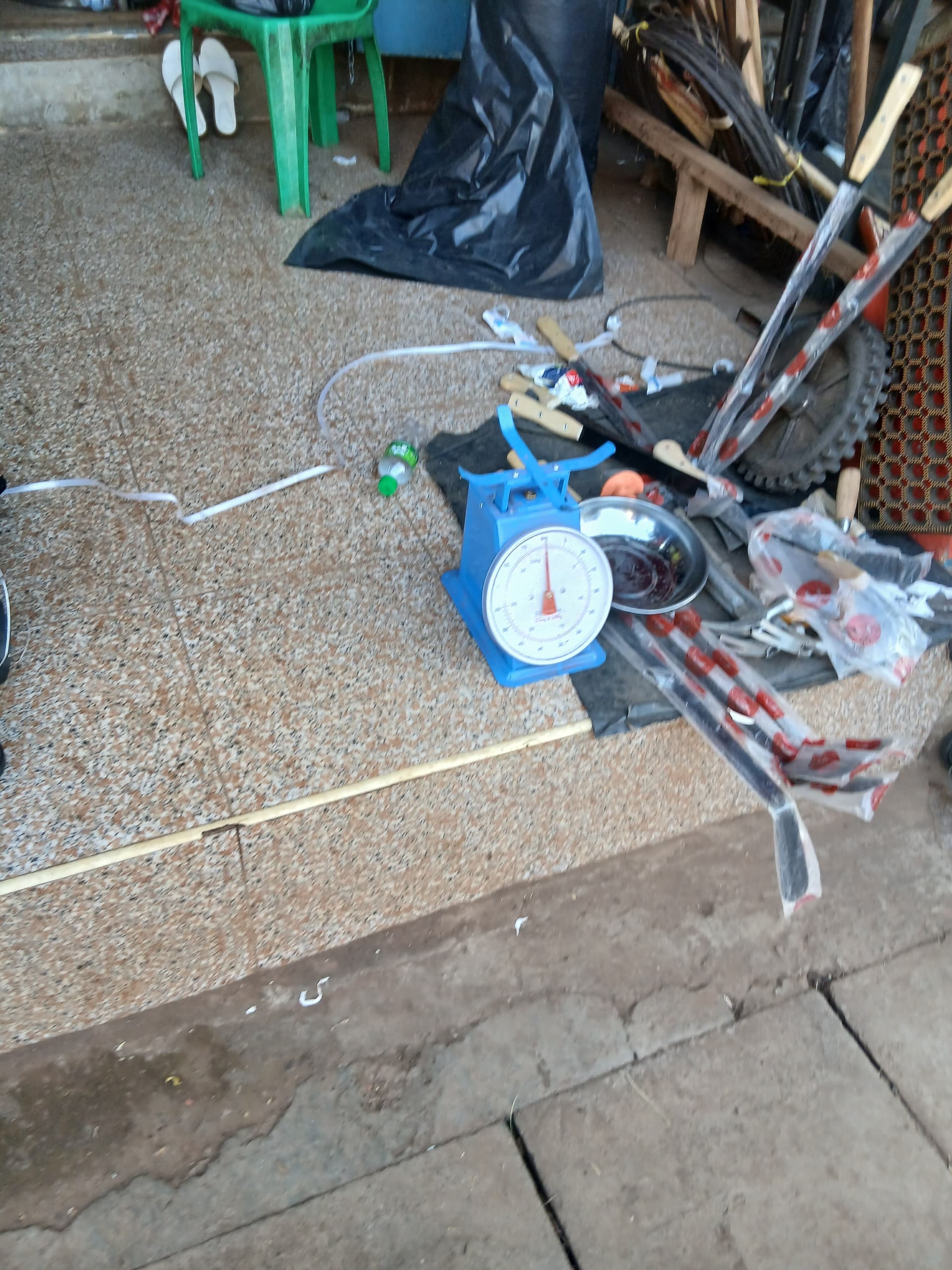
Non-trade type equipment (NTTs), such as mechanical kitchen scales, hanging scales, or basic household models, are explicitly not approved for trading purposes. These are intended for domestic use—like measuring ingredients at home—and often lack the precision, durability, or safeguards required for fair commercial weighing. Using them in business can result in inaccurate readings, potentially cheating buyers or sellers, and is against the Weights and Measures Act cap 84.

This knowledge gap is evident across Lango communities. Fred Oneka, a resident of Awiodyek sub-county in Lira district, shared a recent experience that left him suspicious of foul play.
“Last month I had five sacks of maize, but when I was selling them, only one sack reached 106kg while the rest stopped from 90-95kg,” Oneka recounted. “A bag of maize typically weighs between 100kg and above, but I doubted the weighing scale used. I think I was cheated.”
Similar stories emerge from other farmers. Ivan Okello from Aduku in Itek sub-county, Lira district, described encountering varied scales at Olweny rice scheme.”When we pick rice from Olweny rice scheme, we see different types of weighing scales being used by middlemen when buying our rice.”
“I don’t know how to differentiate if this weighing scale is for trade or not, and we just sell our products. Others even come with scales that have no stamp, but they tell us this is the best weighing scale.”Okello admitted to a simple personal check: “I always test the weighing scale by measuring my kg, and if it’s not far from my known weight, then I believe it’s not a bad weighing scale.”
Consumers in retail settings face the same uncertainty. Maxwell Ogwal, a resident of Ngetta in Lira City, explained his approach when shopping.
“When I go to the shop and find any weighing scale, I just get what I want and go back home because I don’t know any type of weighing scale recommended for trading,” Ogwal said. “Even if the weighing scale is small or big, I just see when it’s a kg of what I want and pay.”
Some traders openly use non-approved equipment. David Ogwok, a produce dealer and retail shop operator in Barapwo, Lira City West Division, relies on a mechanical kitchen scale for selling merchandise.
“I bought 100kg of beans at 3,500 shillings per kilo, costing me around 350,000 shillings,” Ogwok noted. “But when I use the mechanical kitchen scale machine to sell them from my shop on retails, I get around 700,000 shillings, with each kilo costing 5,000 shillings.”
While this boosts his margins, it highlights how unverified or household scales can distort fair trade potentially to the disadvantage of customers.
Richard Ojok, a local butcher in Awiepek, Aloi Town Council, Alebtong District, has been using a mechanical kitchen scale to sell goat meat and pork. “It’s easy to place the meat on its plate for measurement and very simple to carry. I didn’t know these kinds of machines are not for trading, and I’ve been using it for quite some time now. I’ve never taken it to UNBS for checking since I use it only for selling meat in the village here,” Ojok added.

An official from the UNBS Northern Region office, speaking anonymously because they are not authorized to speak to press, confirmed that inspectors frequently encounter such misuse. “We see people using these scales in shops, often ignorantly, and in most cases, we impound them since they are not meant for trade,” the official said.
Non-trade scales are legal in Uganda but only for home use; using them commercially violates the law. The official noted that UNBS conducts inspections in two phases: voluntary (mobilizing communities through local leaders for people to bring scales for verification and stamping) and enforcement (random field checks, with faulty or non-compliant equipment impounded).
Rafael Musana, UNBS Senior Legal Metrologist, explained: “Non-trade type equipment is always labeled ‘Not for Trade’ and is made only for domestic use. Using non-trade weighing equipment for trading is against the law. Whenever we find someone using such machines, we seize them immediately and prosecute the offender for using incorrect equipment in trade.”
He added that much of their work involves fieldwork, moving from one trading center to another to sensitize communities about scales meant for trade versus domestic use. “We always encourage people to visit our nearest regional offices—in Lira, Mbarara, Jinja, Mbale, and Kampala—to seek guidance or lodge complaints if they have concerns.”
