

Lira Regional Referral Hospital (LRRH) requires Shs 6 billion to procure essential medicines, therapeutics, and medical supplies against a government allocation of Shs 2.6 billion, Parliament has heard.
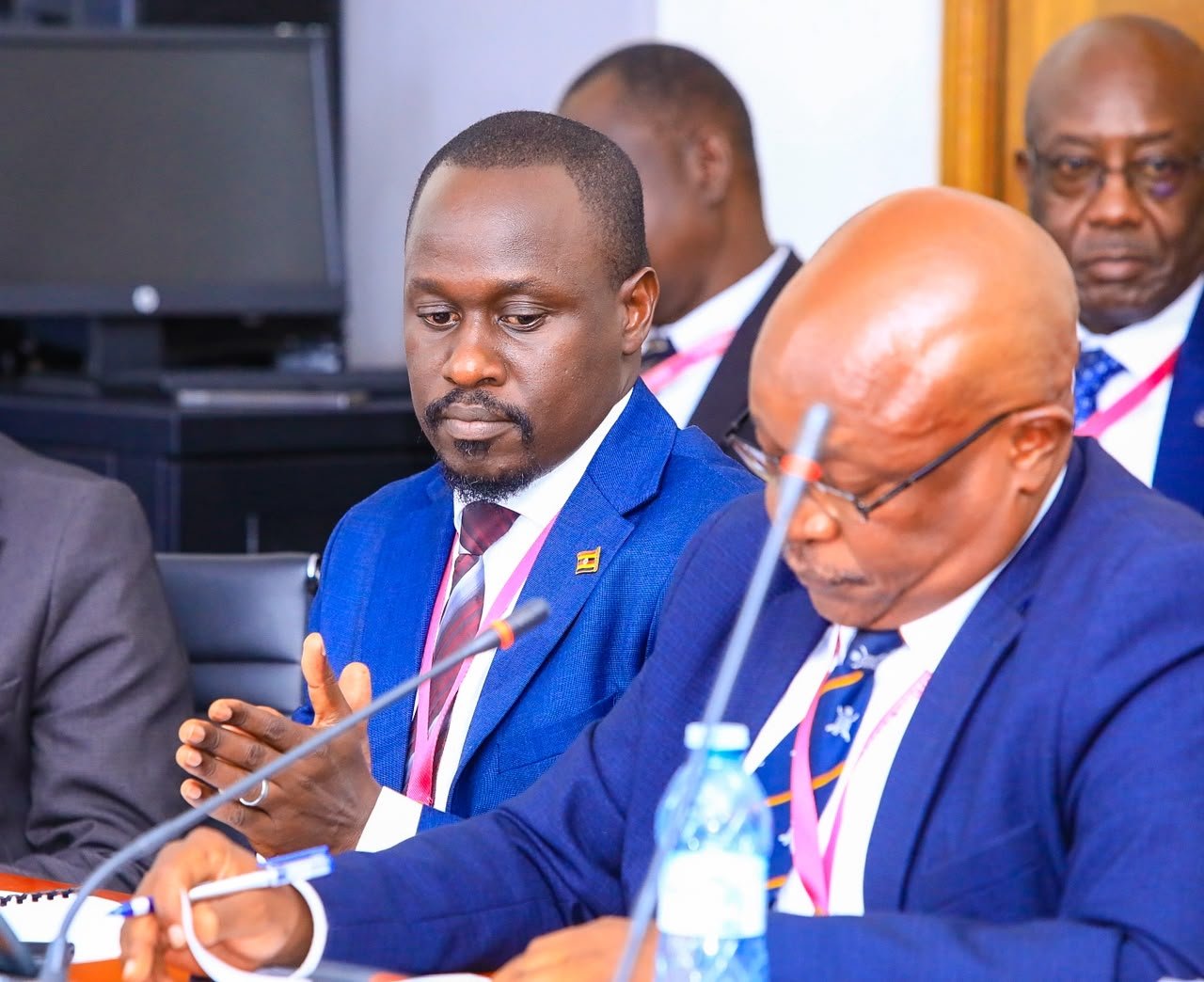
The hospital’s Senior Executive Consultant (SEC), Dr. Andrew Odur disclosed this on November 11, 2026, while presenting the facility’s performance report to the Parliamentary Committee on Health, chaired by Bukonzo East MP Dr. Julius Monday Rude.
Dr. Odur said the hospital serves an estimated population of 2.6 million people, but the current budget allocation for medicines and medical supplies falls significantly short of its operational requirements.
He said the funding gap has affected the hospital’s ability to provide certain essential medical items, particularly orthopaedic supplies, for which demand among patients and communities continues to grow.
The hospital also requires Shs 4.6 billion to independently sustain its dialysis services following a decision by Kiruddu National Referral Hospital to withdraw its direct support.
According to Dr. Odur, LRRH has been conducting approximately 200 dialysis sessions every month for the past three years, underscoring the need for additional resources to maintain the service.
On staffing, he revealed that the hospital is operating at just 27.7 per cent of its required human resource capacity. However, the recruitment of 142 additional staff planned for the current financial year is expected to raise the staffing level to 40 per cent.
Dr. Odur said the hospital had also introduced measures to prevent financial leakages, theft, and out-of-pocket payments by patients while intensifying public awareness campaigns to inform communities that services at the government facility are free.
The hospital has further registered progress in specialised diagnostic services through its Satellite Laboratory, which now conducts a full range of tests required by medical specialists.
Dr. Odur told the committee that more than 50 laboratory tests have been accredited by the South African National Accreditation System (SANAS).
Within three months, the laboratory conducted several specialised investigations, including histopathology examinations, with results confirming cancer in more than 60 per cent of the tissue samples analysed.
In a separate development, the hospital generated Shs 1 billion in non-tax revenue from its private wing services, exceeding its projected target of Shs 880 million by Shs 120 million.
Among its innovations, the facility has introduced a plastic-free environment initiative following a benchmarking visit to Kayunga Regional Referral Hospital.
The hospital has also conducted community Barazas to strengthen engagement with residents and obtain feedback on service delivery.
Despite these interventions, Dr. Odur said the facility continues to face infrastructure and operational challenges, including electricity voltage fluctuations, ageing buildings, and inadequate inpatient accommodation.
Some of the hospital’s structures date back to the 1920s, while limited ward space continues to affect the provision of adequate accommodation for admitted patients.
To address the challenge, Dr. Odur appealed for urgent government funding to construct a new ward complex that would provide patients with more decent and adequate inpatient facilities.
During the last financial year, the hospital undertook several infrastructure and equipment improvements, including expanding its private wing, procuring an endoscopy machine, constructing a parking lane, renovating and expanding the isolation unit, and increasing storage capacity.
The funding concerns come as the regional referral facility continues to serve patients from across the wider Lango sub-region and neighbouring areas, placing pressure on its medicines, staffing, diagnostic and inpatient services.