
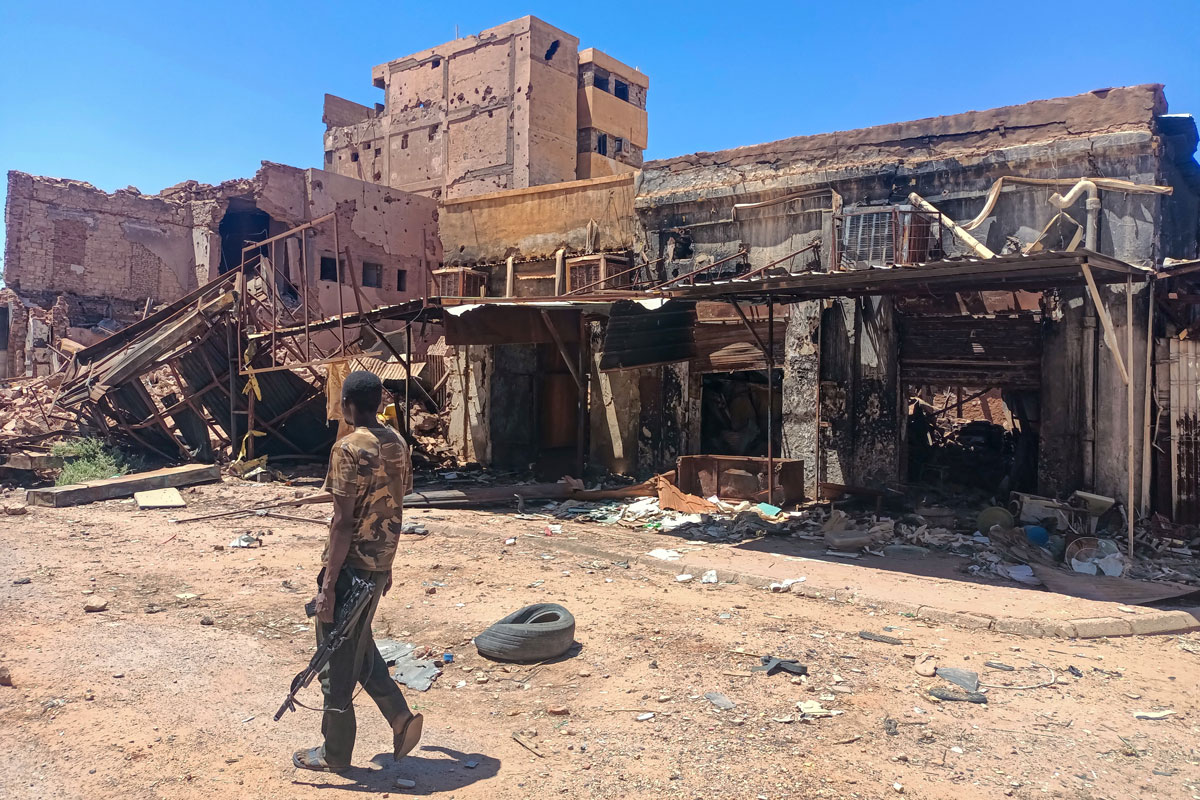

Sennar State in southeastern Sudan is facing mounting humanitarian challenges as the war between the Sudanese Armed Forces (SAF) and the Rapid Support Forces (RSF) continues, with health concerns, damaged infrastructure and shortages of essential services affecting communities.
The conflict, which began in April 2023, has caused widespread displacement and disruption across Sudan, with Sennar among the areas affected by fighting between the rival forces.
The state has also reported a rise in dengue fever cases. According to data from the Sennar State Ministry of Health’s Health Emergencies and Epidemic Control Department, 1,033 cumulative cases and nine deaths had been recorded between January and September 27, 2026.
A report by Sennar News said Singa recorded the highest number of cases, with 381, followed by Sennar locality with 380. East Sennar recorded 126 cases, while Abu Hujar had 81. Al-Dali and al-Mazmum recorded 15 cases, while no cases were reported in al-Dinder and al-Suki during the period.
The Health Emergencies and Epidemic Control Committee has called for intensified vector-control activities in high-risk areas and stronger coordination between health authorities, humanitarian organisations and communities.
The committee also discussed challenges affecting disease-control efforts, including the need for additional medical supplies and stronger field interventions.
Health concerns
Dr Hatem Qandil, director of Singa Teaching Hospital, said the health situation at the facility did not indicate a widespread epidemic.
He said the hospital was receiving patients with respiratory infections, malaria, diarrhoea and other febrile illnesses, but had not recorded confirmed dengue cases requiring admission.
Qandil said some isolated cases had been reported by private clinics, adding that a number of infections treated in the area were linked to other states.
He explained that dengue is mainly transmitted by the Aedes mosquito, which can breed in stagnant water. He said heavy rainfall, poor environmental sanitation and inadequate vector-control measures could increase the risk of transmission.
Meanwhile, residents in parts of Sennar continue to face shortages of drinking water, unreliable electricity and rising prices of essential commodities.
The disruption has been compounded by damage to infrastructure and service facilities during the conflict, as well as challenges affecting agricultural activities in a state known for its major farming schemes.
Allegations of rights abuses
The security situation has also remained a concern in parts of Sennar.
Sudanese reports have alleged arrests and harassment of activists and volunteers accused of supporting or collaborating with the RSF following the army’s recapture of parts of the state.
Videos circulating online have purportedly shown civilians being arrested in al-Dinder. However, the circumstances surrounding the arrests could not be independently established.
The Sudanese news network Ayin has reported that some residents returned to areas retaken by the army but encountered severe shortages and extensive damage and looting of homes and businesses.
There have also been allegations of killings and other abuses in areas south of Sennar. The claims remain subject to independent verification.
Malik al-Hassan Aburoof, Nazir of the Rufa’a tribe, alleged that more than 460 people were killed and about 150 others arrested in al-Dinder and surrounding areas.
He attributed the alleged abuses to Special Operations Forces and allied armed groups, including Islamist battalions and the Joint Forces.
Aburoof further alleged that people of Darfurian origin and civilians accused of having links with or supporting the RSF were among those targeted.
The allegations reportedly emerged amid communications disruptions in the affected areas, making independent verification difficult.
Both the SAF and RSF have faced allegations of serious violations during the wider conflict, underscoring calls by rights groups and international actors for investigations and accountability.
Regional involvement
The conflict has also attracted the involvement of regional powers, with several countries pursuing diplomatic initiatives while maintaining strategic interests in Sudan.
Saudi Arabia has been involved in diplomatic efforts aimed at bringing the warring parties towards negotiations, including the Jeddah peace process.
Reuters has also reported on Saudi involvement in a proposed $1.5 billion Pakistani arms deal for the Sudanese army. According to the report, Riyadh later asked Islamabad to cancel the deal and said it would not finance it.
Egypt has likewise maintained close political and security relations with Sudan, citing the country’s importance to its national security, border security and Nile water interests.
Cairo has participated in diplomatic efforts to resolve the conflict while maintaining ties with Sudan’s military authorities.
Questions over military support
Reports have also raised questions about the role of foreign-made weapons and equipment in the Sudan conflict.
Reuters reported on the presence of Turkish-made combat drones at Egypt’s East Oweinat airstrip near the Sudanese border, citing satellite imagery showing an Akıncı drone at the facility on several dates.
The New York Times separately reported on satellite images showing Akıncı drones at East Oweinat Airport and linked the facility to military operations in Sudan.
In March 2025, The Washington Post reported that documents, communications, commercial records and flight data indicated the arrival of Turkish-made weapons and drones for the Sudanese army.
The newspaper reported that Sudan’s Defence Industries System had signed a contract estimated at about $120 million with Turkish defence company Baykar for drones and munitions, with deliveries reportedly arriving in Sudan in 2024.
Turkey has denied providing military support to either side in the Sudanese conflict.
The competing reports highlight the increasingly international dimension of Sudan’s war, even as diplomatic initiatives continue to seek a negotiated settlement.
For civilians in Sennar, however, the immediate concerns remain access to healthcare, safe water, electricity, food and security as the conflict continues to disrupt normal life.
The humanitarian situation in the state therefore remains closely tied to the broader prospects for a ceasefire and a political settlement to Sudan’s war.