

Walk into most rural kitchens in sub-Saharan Africa and you will find the same scene: a wood fire, a three-stone stove, and thick smoke that fills the room with every meal. This image is so familiar that it is often invisible, but its consequences are not. Indoor air pollution from cooking fires kills an estimated four million people globally each year, the majority of them women and children who spend the most time in the kitchen.
In Uganda, where over 90% of the population relies on biomass for cooking, the health and environmental costs of traditional cooking are immense. Deforestation is accelerating as families cut trees for firewood. Women and girls spend hours each day collecting fuel, time that cannot be spent in school, in the field, or earning income. And households are breathing air laden with particulates and carbon monoxide that cause respiratory disease, eye damage, and complications in pregnancy.
BetterLife International Organization is confronting this crisis head-on. Over the past four years, BetterLife has installed 48 biogas plants in Western Uganda, providing over 200 households with a clean, reliable, and renewable energy source for cooking. These biogas digesters are fed with animal waste and organic matter, producing gas that can be piped directly to a cooking stove without any smoke, ash, or risk of fire.
The transformation biogas brings to a household is immediate and profound. Women who previously spent three to four hours daily collecting firewood now spend that time on income-generating activities, their children’s education, or community participation. Children no longer breathe smoke during cooking. Families save money previously spent on charcoal or kerosene. And the slurry produced by biogas digesters is an excellent organic fertiliser, a bonus for families who farm.
“I cannot believe how different life is now,” said one biogas user in Mbarara District. “I used to cough every day from the smoke. Now I just turn a valve and my stove is ready. And I do not have to go to the forest anymore.” The relief in her voice captures what statistics alone cannot: the profound daily burden that clean cooking removes from women’s lives.
Beyond biogas, BetterLife promotes improved cookstoves, which are clay or ceramic stoves engineered to burn fuel more efficiently than open fires, reducing fuel use by up to 50% while cutting indoor pollution. These stoves are affordable, locally manufactured, and easy to use. BetterLife works with communities to train local artisans who can produce and repair the stoves, creating a local supply chain that generates employment.
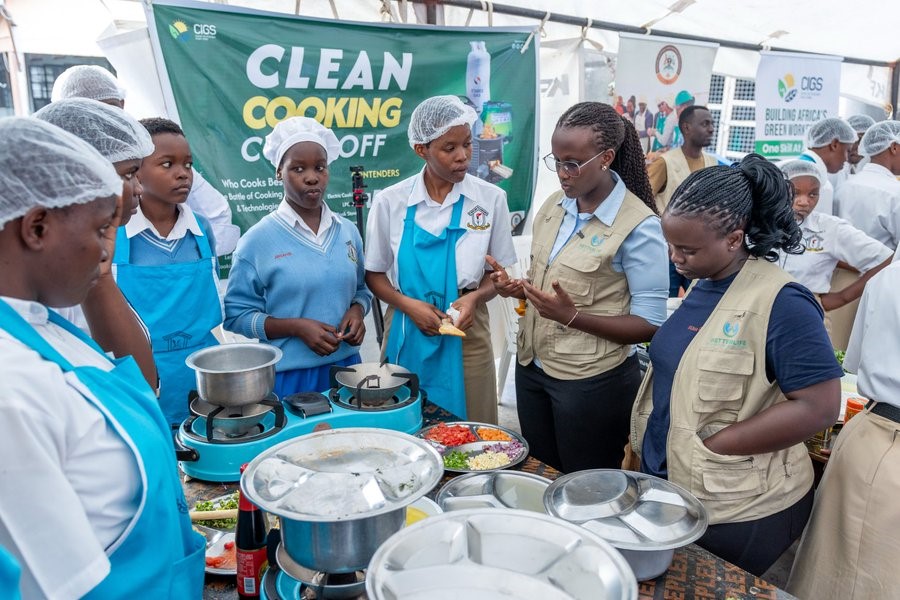
BetterLife’s Clean Cooking Cook-Off events bring a spirit of celebration and competition to the transition. Schools, community groups, and women’s clubs compete to cook the best meal using clean energy technologies, demonstrating that clean cooking is not just healthier but also produces better food. The events draw media attention and public interest, helping to normalise clean cooking in communities where it is still seen as unfamiliar.
With partners including GIZ Uganda and the Government of Uganda’s Ministry of Energy, BetterLife is working to scale its clean cooking programmes across the country. The goal is not just cleaner kitchens but healthier communities, thriving forests, and a climate future built on renewable, sustainable energy.
