
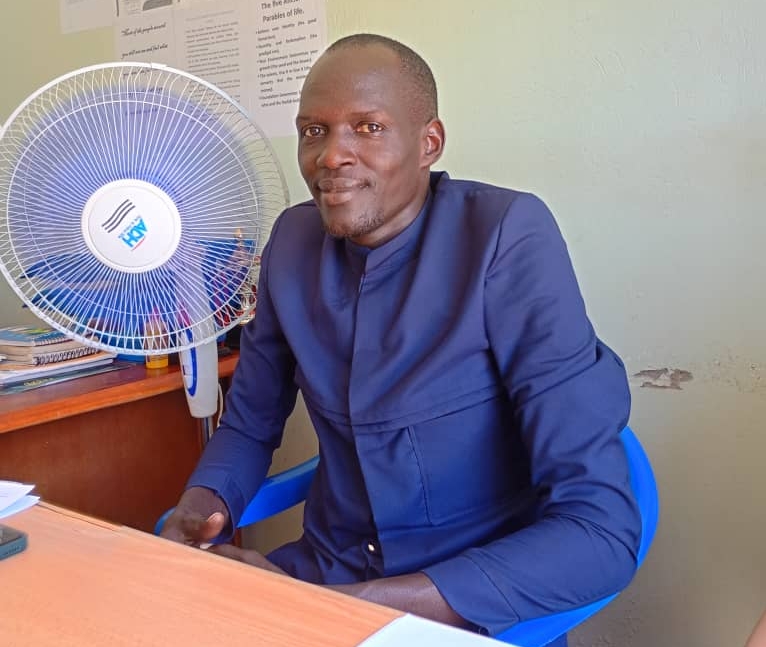

Dokolo District Deputy Speaker, Lameck Ongora, has raised concern over the district’s HIV prevalence, gender-based violence and reported cases of suicide, calling for stronger community interventions to protect vulnerable populations and promote peaceful family relationships.
Ongora made the remarks on Wednesday during a human rights and gender-based violence training organised by the Centre for Health, Human Rights and Development (CEHURD) at Dokolo District Headquarters.
He expressed concern over the vulnerability of adolescent girls and young women aged 15 years and above to HIV infection, noting that gender-based violence, sexual exploitation and unequal power relations continue to expose women and girls to increased health risks.
He called for intensified community awareness, improved access to HIV prevention services and stronger interventions to address the underlying causes of vulnerability.
Ongora also raised concern over reported suicide cases within communities, particularly among men, which he linked to social and psychological pressures associated with domestic and gender-based violence.
He urged cultural and religious leaders to promote peaceful conflict resolution, encourage individuals experiencing family challenges to seek counselling and support, and discourage violence as a means of resolving domestic disputes.
Meanwhile, Dokolo Assistant District Health Officer, Eugine Odongo, expressed concern over teenage pregnancies in the district, revealing that Dokolo Health Centre IV had conducted surgical deliveries for four teenage mothers, aged approximately 14 years, within about one month.
Odongo warned that teenage pregnancies expose young girls to serious health complications, urging communities to intensify sensitisation, promote responsible parenting and strengthen efforts to protect children against sexual abuse and other forms of violence.
Speaking at the same meeting, Monica Kurwenza, a Project Officer at CEHURD, reaffirmed the organisation’s commitment to promoting the right to health, social justice and the protection of vulnerable and marginalised populations.
She challenged cultural and religious leaders to use their influence to confront harmful cultural practices, promote equality and ensure that survivors of human rights violations receive appropriate support and access to justice.
Meanwhile Joel Opota Okuma, the Secretary for Health, Education and Community-Based Services, emphasised that combating gender-based violence and human rights violations requires collective responsibility involving government institutions, cultural and religious leaders, communities and development partners.
He urged participants to become human rights ambassadors by reporting cases of abuse, supporting survivors and promoting peaceful coexistence within their communities.
The training brought together cultural and religious leaders to strengthen their capacity to address gender-based violence, promote human rights and improve access to justice, particularly for vulnerable members of society.
CEHURD is a Ugandan non-profit human rights and advocacy organisation established in 2010, focusing on social justice, the defence of human rights and the advancement of the right to health, particularly among vulnerable and marginalised communities.