

By Joshua Olomo
Apac, Uganda | Headteachers in Apac District and Apac Municipality have appealed to government, old students, well-wishers and political leaders to support schools with essential learning resources to enable the effective implementation of the competency-based lower secondary curriculum introduced in 2020.
The school administrators say although the curriculum is designed to equip learners with practical skills, creativity and independent learning abilities, inadequate instructional materials and limited information technology infrastructure continue to hinder its successful implementation.
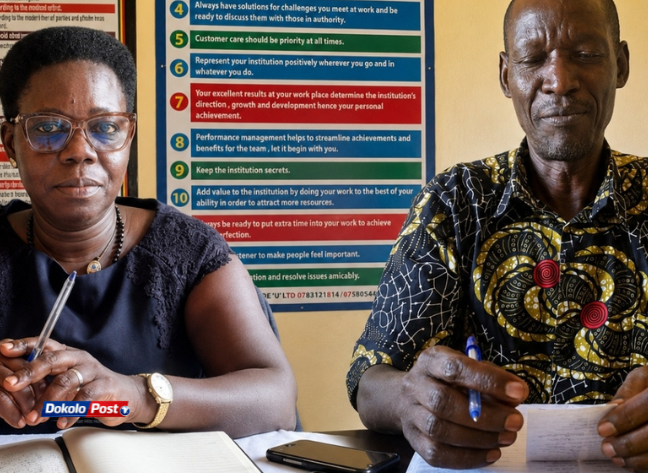
The Headteacher of St. Francis Girls Secondary School, Christine Adongo, said the new curriculum requires learners to conduct extensive research and take greater responsibility for their learning, but the shortage of learning materials poses a major challenge.
“The curriculum is good because it encourages students to acquire knowledge on their own. However, when schools lack adequate resources, especially textbooks and internet-enabled facilities, it becomes difficult for learners to effectively conduct research,” Adongo said.
Paul Oculi, the Deputy Headteacher of St. Francis Girls SS, revealed that the school has only 41 computers, which are insufficient to meet the needs of all learners, forcing students to attend practical sessions in shifts.
“We have had to organise learners in shifts during computer practical lessons because the available computers cannot accommodate everyone at once,” Oculi explained.
At Apac Secondary School, Deputy Headteacher Jackson Okwir called upon all stakeholders, including government agencies, old boys and old girls associations, politicians and development partners, to mobilise resources to support schools in the district.
“We are appealing not only to government but also to former students, political leaders and any well-wishers who can help us secure funding and other forms of support needed to implement the curriculum effectively,” Okwir said.
Students also echoed concerns over inadequate learning resources. Brian Acoli and Alfred Okello of Apac SS, together with Peace Auma and Elizabeth Atim of St. Francis Girls SS, said limited access to textbooks, computers and internet facilities has made research work difficult, particularly in subjects that require extensive independent study.
The competency-based curriculum was introduced by the Ministry of Education and Sports in 2020 to replace the traditional content-based system, with a focus on nurturing critical thinking, problem-solving skills and practical competencies among learners.
However, education stakeholders maintain that sustained investment in learning resources and infrastructure is critical to achieving its intended outcomes.