

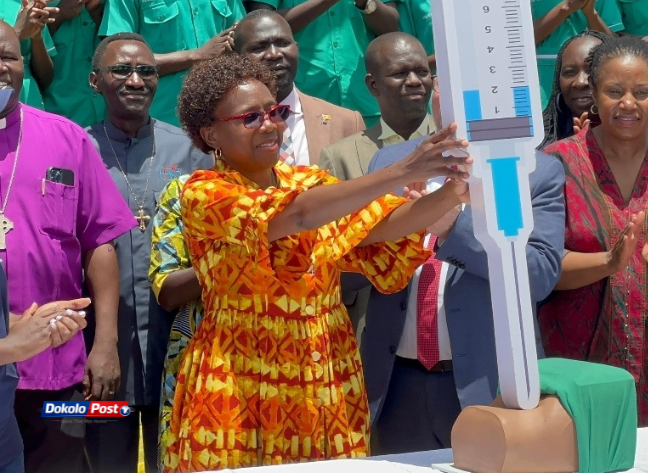

Lira, Uganda | Uganda on Friday launched a new injectable HIV prevention drug, Lenacapavir Pre-Exposure Prophylaxis (PrEP), in a landmark ceremony held at Former Akii-Bua Stadium in Lira City, marking a major step in the country’s push to end AIDS as a public health threat by 2030.
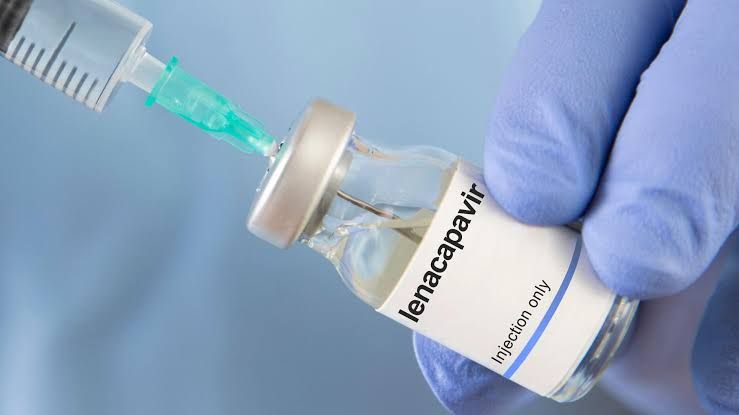
The rollout, led by the Minister of Health and Lira City Woman Member of Parliament Dr. Jane Ruth Aceng, positions Uganda among the first countries globally to introduce the twice-yearly injectable HIV prevention medicine, which experts describe as a game-changer in reducing new infections.
Dr. Aceng said Lira City was chosen as the pioneer launch site due to Uganda’s strong leadership in the HIV response and its globally recognised achievements in reducing infections and expanding treatment coverage.
She noted that new HIV infections had declined from about 96,000 in 2010 to 37,000 in 2025, with over 1.4 million people currently on treatment and national coverage exceeding 98%.
However, she warned that HIV remains a serious public health threat, with about 100 new infections occurring daily, including 33 among young people, particularly adolescent girls and young women. She also noted that over 150,000 people were still unaware of their HIV status.
She emphasized that Lenacapavir is strictly a prevention tool and not a cure, urging communities to continue testing, adhere to ABC prevention strategies, and maintain vigilance against new infections while embracing the innovation responsibly.
The Executive Director of the Joint Clinical Research Centre (JCRC), Dr. Cissy Kityo Mutuluuza said the rollout of the drug was grounded in strong scientific evidence addressing challenges of adherence to daily oral PrEP.
She explained that recent African research had influenced global HIV prevention guidelines, including updates by the World Health Organization, and added that efforts were underway to introduce more affordable generic versions to improve access in the future.
She further stressed that HIV prevention requires a combination of biomedical, behavioural, and structural interventions and called for stronger collaboration between government, communities, and international partners.
Lira Regional Referral Hospital Director Dr. Andrew Odur said the facility is currently managing more than 11,000 HIV patients, making it one of the highest-burden centres in the country after Masaka Region.
He welcomed the new intervention but cautioned against growing misconceptions that HIV had been “solved,” stressing the need to sustain prevention efforts alongside ongoing progress, including reductions in mother-to-child transmission.
Commissioner for Health Promotion and Education, Richard Kabanda, warned that biomedical innovations risked reducing HIV risk perception among young people.
He called for continued community education, strict eligibility screening, and sustained behavioural change communication to ensure that prevention gains are not undermined.
From the United States Embassy in Kampala, the Deputy Chief of Mission, Mikael Cleverly reaffirmed continued U.S. support, noting that Lenacapavir forms part of a global effort aimed at reaching 3 million people by 2028.
He said about 46,000 Ugandans are expected to access the drug in 2026 under a phased rollout supported by PEPFAR and global partners, including the Global Fund, and observed that Uganda’s selection reflected its strong health systems and leadership in HIV response.
According to the Ministry of Health, 103 health facilities had already been trained for Phase 1 implementation, with plans to scale up to 300 facilities nationwide by December 2026. High-burden districts will be prioritised in the phased rollout.
Health officials emphasized that while Lenacapavir represents a major scientific breakthrough in HIV prevention, sustained testing, adherence to prevention strategies, and responsible use remain essential to achieving Uganda’s goal of ending HIV/AIDS as a public health threat by 2030.
