
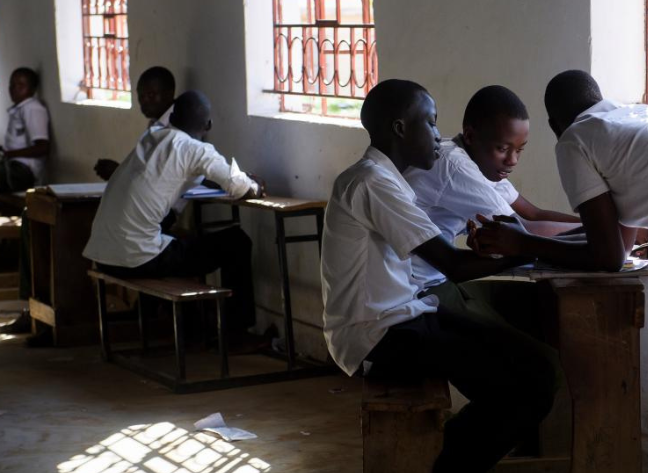

Government schools in Lira City have recorded low learner attendance on the second day of the third term, with some schools reporting enrolment levels below 50 per cent, while private schools appear to have attracted more than 90 per cent of their learners.
A survey conducted in selected schools across Lira City on Tuesday, September 15, 2026, found that although teaching had commenced in most institutions, a significant number of learners had not yet reported for the new term.
At Lira Modern Primary School, head teacher Akacha Richard Emmy said the school received only 184 learners on the first day of the term, describing the turnout as low compared with the number of pupils who had completed the second term.

Akacha attributed the low attendance partly to changing rainfall patterns, which he said had affected parents’ livelihoods and their ability to facilitate their children’s return to school. He added that the situation could improve as more parents make arrangements to send their children back.
Despite the low turnout, Akacha said the school is fully prepared for the Primary Leaving Examination (PLE), noting that the Primary Seven syllabus had been completely covered. He added that the school’s existing and newly developed infrastructure had been improved to accommodate learners and support teaching and learning.
At Lira Central Nursery and Primary School, however, attendance was considerably higher. The deputy head teacher in charge of lower primary, Amuge John Bosco, said more than 1,300 of the school’s estimated 1,500 learners had reported, representing about 90 per cent attendance.
Amuge said all teachers are on duty and lessons had started smoothly, attributing the relatively high turnout to cooperation between the school and parents. He said the school is optimistic about posting strong PLE results this year, particularly among candidates whom he said had been adequately prepared and are expected to register a higher proportion of Division One passes.
Amuge said the learners who had not yet returned could partly be attributed to parents prioritising children in higher learning institutions before those in primary schools.
Elsewhere at Lira Secondary School, the Director of Studies, Engola Milton, said more than 350 of the school’s 560 learners had reported by Tuesday, representing more than half of the student population.
He said the majority of those who had returned are candidates in Senior Four and Senior Six, with lessons already progressing normally.
Engola attributed the relatively low attendance to the timing of the third-term opening, which falls in the middle of the month, saying some parents depend on monthly salaries to meet school-related expenses. He also cited poor farm production caused by drought as another factor affecting household incomes and parents’ ability to meet education costs.
Despite the attendance challenges, Engola said the school had adequately prepared its candidate classes, with about 90 per cent of the syllabus already covered. He expressed optimism that the school would achieve better results in the 2026 Uganda Certificate of Education (UCE) and Uganda Advanced Certificate of Education (UACE) examinations.
The contrast in attendance comes as schools begin the final term of the 2026 academic year, which is particularly important for candidate classes preparing for national examinations.
According to the 2026 academic calendar, the third term opened on Monday, September 14, and is scheduled to close on Friday, December 4. The Uganda Certificate of Education examinations are expected to begin with theory papers on October 12, following candidates’ briefing on October 8, while PLE is scheduled for the first or second week of November. UACE examinations are expected to run from November into early December.