
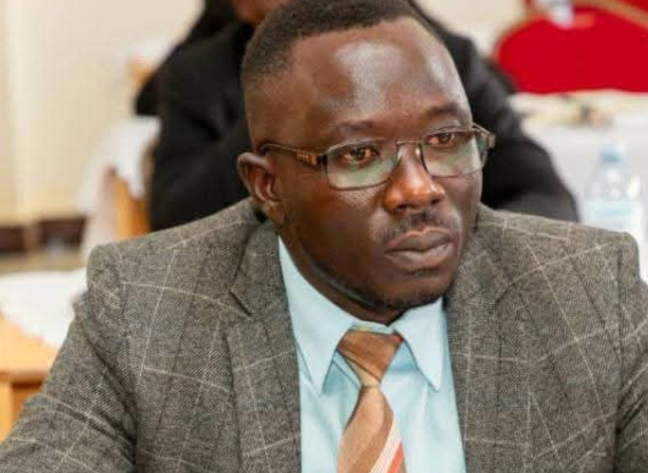

As Uganda heads into the Local Council I (LC I) and Women Council elections, attention is increasingly shifting to the grassroots, where governance directly affects the daily lives of citizens. While presidential and parliamentary elections often dominate national debate, Lira Assistant Resident City Commissioner Bonny Otucu argues that LC I elections are the most critical because they shape service delivery, security and community development at the village and cell level.
In an opinion piece, Otucu says every Ugandan interacts with the LC I leadership more frequently than any other elected officer. From resolving land disputes and handling security concerns to mobilising communities for government programmes and certifying official documents, the LC I Chairperson remains the first point of contact between citizens and government.
He notes that the Local Council system forms the foundation of Uganda’s decentralised governance structure and serves as the first level of local administration. According to him, electing competent, trustworthy, and service-oriented leaders is essential for effective governance, peace, and sustainable development.
Otucu explains that effective LC I leaders play a central role in mobilising communities to participate in government programmes such as the Parish Development Model (PDM), Emyooga, immunisation campaigns, sanitation drives and environmental conservation initiatives. They also coordinate with government agencies to ensure public services reach intended beneficiaries.
He further observes that LC I leaders are indispensable in promoting peace and security by working closely with security agencies to identify emerging threats, resolve minor disputes before they escalate and strengthen cooperation between residents and law enforcement agencies.
According to the Assistant RCC, many conflicts involving land, families, and neighbourhoods are first handled at the LC I level. He says competent and impartial leaders help resolve disputes amicably, reducing costly litigation while preserving relationships and social harmony.
Otucu also highlights the importance of LC I leaders in identifying vulnerable households, coordinating emergency responses, supporting public health interventions, maintaining accurate community records, and ensuring that relief and development programmes reach deserving beneficiaries.
He argues that grassroots leaders are equally responsible for promoting transparency and accountability by safeguarding public resources, discouraging corruption, and ensuring fairness in the implementation of government programmes.
However, he warns that communities led by weak or self-serving leaders often experience insecurity, poor coordination of government programmes, corruption, conflicts and low public participation in development initiatives, ultimately denying residents opportunities meant to improve their livelihoods.
Otucu, therefore, urges voters to look beyond personal relationships, tribal affiliations, religious differences, political loyalties, and monetary inducements when electing their leaders.
Instead, he says voters should prioritise candidates with proven integrity, competence, discipline, honesty, accessibility and commitment to public service. An ideal LC I Chairperson, he adds, should demonstrate sound judgement, respect for the rule of law, strong communication skills, and the ability to unite people while remaining accountable and transparent.
He describes the forthcoming elections as an opportunity for citizens to shape the future of their communities, noting that leaders elected at the grassroots will influence governance, justice, security, public health and development for years to come.
Otucu also appeals to residents of Lira City and Ugandans across the country to maintain peace before, during, and after polling, saying elections should strengthen democracy rather than divide communities.
He calls on citizens to report electoral offences, including voter intimidation, violence, bribery, hate speech, destruction of election materials, impersonation, incitement, and misinformation to the Electoral Commission or security agencies for timely action.
While reaffirming that security agencies remain committed to providing a peaceful and secure voting environment, he stresses that maintaining peace is a shared responsibility requiring citizens to respect the law, reject violence, and uphold democratic principles.
Otucu further encourages citizens to remain engaged after elections by supporting elected leaders, participating in village meetings, and demanding accountability to promote stronger and more prosperous communities.
He also appeals to all candidates to conduct peaceful campaigns, respect their opponents, comply with electoral laws and graciously accept the will of voters, describing leadership as an opportunity to serve rather than a contest for power.
He concludes that Uganda’s national development begins at the village level and that every vote cast in the LC I elections is an investment in stronger communities, better governance, and sustainable national development.