
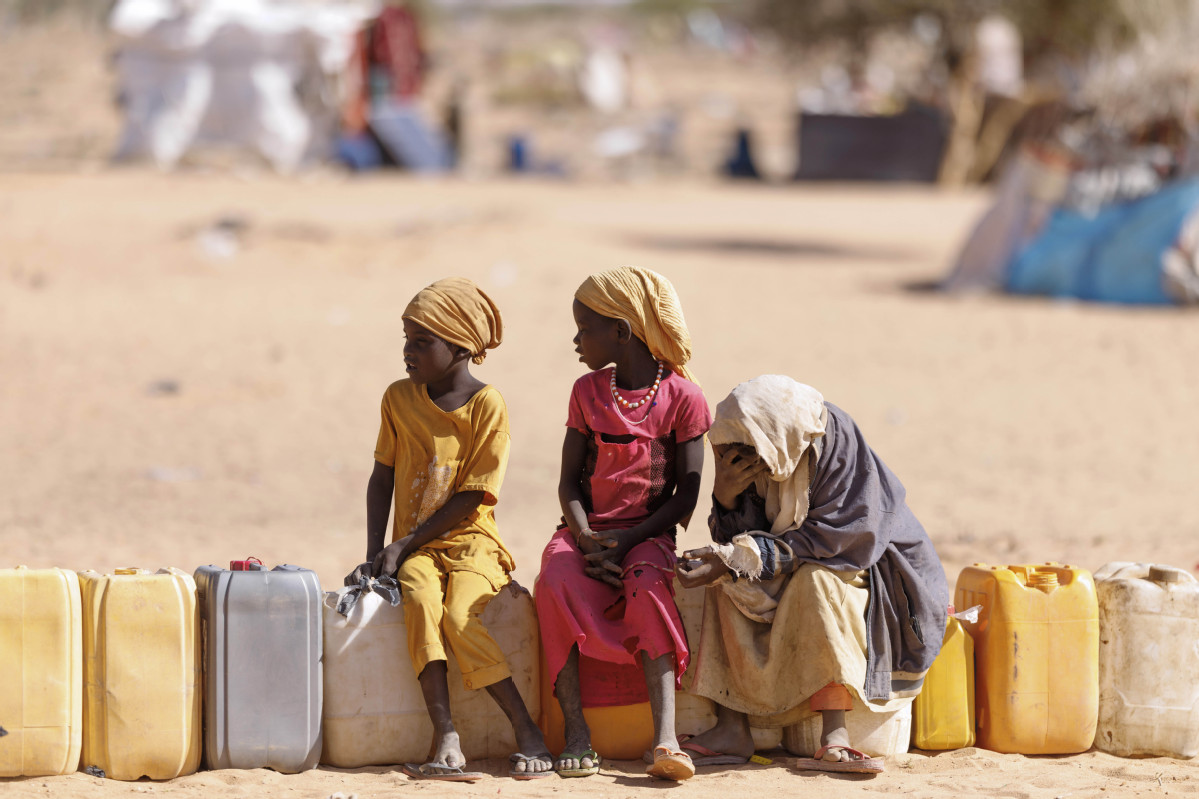

Khartoum, Sudan | Civilians across Sudan are facing increasing difficulties accessing safe drinking water as intensified fighting, damaged infrastructure and shortages of essential supplies disrupt water services in several parts of the country.
The war between the Sudanese Armed Forces (SAF) and the Rapid Support Forces (RSF), which began in April 2023, has displaced millions of people and severely affected access to basic services, including water, healthcare and sanitation.
The water crisis has been linked to damage to water-production and pumping facilities, interruptions in electricity and fuel supplies, reduced water availability and difficulties in carrying out repairs and maintenance in conflict-affected areas.
In some communities, residents have been forced to travel long distances in search of water, while animal-drawn carts and other informal means are being used to transport supplies to households.
The worsening situation has also raised concerns about public health, particularly where communities are relying on unsafe or contaminated water sources. Poor access to clean water and sanitation can increase the risk of cholera and other waterborne diseases.
Concerns over the dangers facing civilians searching for water were highlighted on September 25 following reports of a drone strike at a water point in Al-Mazrub, North Kordofan.
The Sudan Founding Alliance, known as Tasees, said the strike killed nine people and injured 24 others. The group attributed the attack to the Sudanese army and called for an independent investigation into the incident.
The casualty figures and responsibility for the reported attack could not be independently verified. The incident was reported amid intensified military operations in North Kordofan, where civilians have increasingly been exposed to the effects of the fighting.
The disruption of water services comes against the backdrop of a broader humanitarian emergency. Millions of Sudanese remain displaced, while damage to infrastructure and restrictions on access have made it difficult for humanitarian organisations to deliver assistance to affected communities.
Sudan is also facing international scrutiny over allegations concerning the use of chemical weapons during the conflict. The United States has accused the Sudanese government of using chemical weapons, allegations that the Sudanese authorities have rejected.
The Organisation for the Prohibition of Chemical Weapons (OPCW) is responsible for overseeing compliance with the Chemical Weapons Convention and has mechanisms for addressing allegations involving chemical weapons.
With fighting continuing in several parts of the country, communities face the combined effects of displacement, damaged infrastructure and shortages of essential services, making access to safe water an increasingly urgent humanitarian concern.