
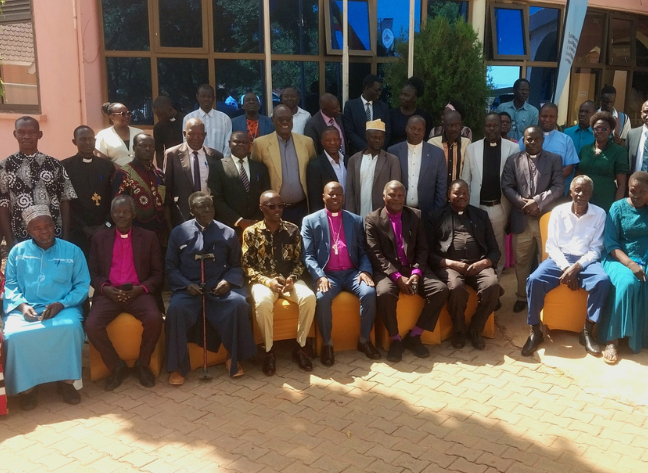

Religious, cultural and civil society leaders have been urged to join forces with the media, women and youth to fight corruption, with Bishop Joshua Lwere warning that the vice consumes at least a quarter of Uganda’s national budget annually.
Lwere, the Co-Chairperson of the Council of Presidents of the Inter-Religious Council of Uganda, said corruption continues to undermine service delivery and national productivity despite the existence of 22 government institutions mandated to combat the vice.
He was speaking on Tuesday, November 17, 2026, during a workshop on enhancing social accountability organised by the Directorate for Ethics and Integrity under the Office of the President at Gracious Palace Hotel in Lira City.
Citing a recent report by the Inspectorate of Government, Lwere said the scale of corruption required a collective national response rather than leaving the responsibility to government agencies alone.
He called for a nationwide mobilisation campaign similar to Uganda’s fight against HIV/AIDS, urging citizens to reject corrupt practices, monitor public service delivery, and demand accountability from leaders at all levels.
The Bishop of Lango Diocese, Prof. Alfred Olwa said religious leaders had a responsibility to promote transparency and accountability, describing the principles as central to stewardship and religious teachings.
Olwa said public resources allocated to schools, health facilities, roads, and the Parish Development Model belonged to citizens and must be accounted for transparently.
He challenged religious leaders to use their influence and presence in communities to mobilise citizens to monitor government projects, question the misuse of public funds, and report irregularities without political or clan bias.
However, Olwa said religious institutions must also demonstrate accountability in managing their own collections, land and development projects, arguing that they must put their own houses in order to maintain credibility when demanding transparency from the government
Monsignor Valente Innocent Opio, the Vicar General of Lira Catholic Diocese, called for stronger moral upbringing within families, saying the fight against corruption should begin at home.
He urged churches to prioritise moral formation among children, noting that accountability starts with individual conscience and the ability to distinguish right from wrong.
Lira Resident City Commissioner Lawrence Egole challenged religious leaders to promote moral integrity, cultural leaders to resolve family and clan disputes at community level, and journalists to expose corruption without fear or favour.
Egole said despite substantial government investment in service delivery, resources often fail to reach their intended beneficiaries.
He urged participants to move beyond discussions and translate their recommendations into practical interventions that would strengthen accountability and ensure public resources benefit the communities they are intended to serve.