
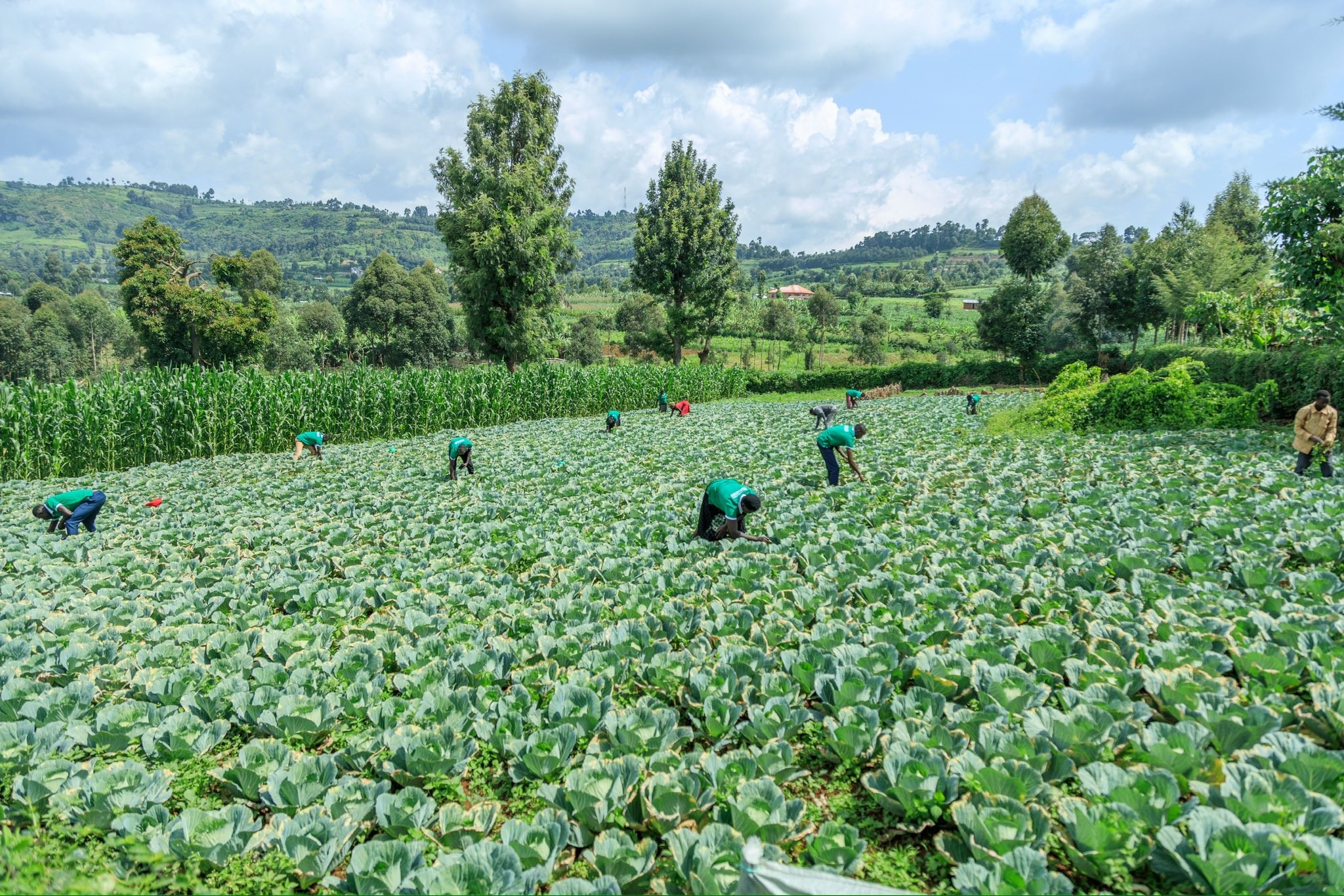

A cooperative is, at its heart, an act of trust. It is the decision by a group of people, often people with few individual resources, to pool what they have, share the risks, and divide the rewards. For the women in BetterLife International Organization’s agricultural cooperatives, it is also an act of claim: a claim to economic participation, to market access, to decision-making power, and to a future that they are building together.
BetterLife has supported the formation and strengthening of women-led agricultural cooperatives as a central feature of its work in refugee settlements and host communities across Northern Uganda. These cooperatives bring together women farmers to jointly manage land, share tools and equipment, pool produce for collective marketing, and access financial services that would be beyond the reach of individuals working alone.
The cooperatives are established through a participatory process that begins with the women themselves. BetterLife facilitators work with community members to identify shared interests and challenges, form groups based on trust and geographic proximity, and develop simple governance structures including leaders, treasuries, and record-keeping systems that give each cooperative the institutional foundation it needs to function sustainably.
Training in cooperative management is a core component of BetterLife’s support. Members learn financial literacy: how to keep accounts, manage a common fund, distribute profits fairly, and plan for reinvestment. They learn cooperative law and their rights as members. And they learn negotiation skills, because a cooperative’s collective power is only realised if its members can use their scale to demand fair treatment from buyers, suppliers, and government services.
“When I farmed alone, traders offered me very low prices because they knew I had no choice,” said a cooperative leader in Yumbe District. “Now we come together with 30 women’s produce. The traders come to us. They offer better prices because they need what we have.” This shift, from price-taker to price-maker, is transformational for farmers who have been marginalised for generations.
BetterLife’s cooperatives are linked to post-harvest handling facilities, including storage, drying, and simple processing infrastructure that allows members to manage the timing of their sales rather than selling immediately after harvest when prices are lowest. The ability to store produce and sell when prices rise is one of the most powerful tools available to smallholder farmers.
The cooperatives also serve as social institutions, spaces where women gather not just to farm but to discuss challenges, share knowledge, and support one another through the difficulties of displacement, poverty, and gender-based discrimination. BetterLife integrates sessions on women’s rights, health, and financial wellbeing into cooperative meetings, recognising that economic empowerment and broader wellbeing are inseparable.
With the goal of establishing 10 fully functioning, self-sustaining women-led cooperatives in Northern Uganda, BetterLife is creating not just livelihoods but institutions, the seeds of economic organisations that communities will own and grow long after any external support has concluded. That is the measure of success that matters most.
