
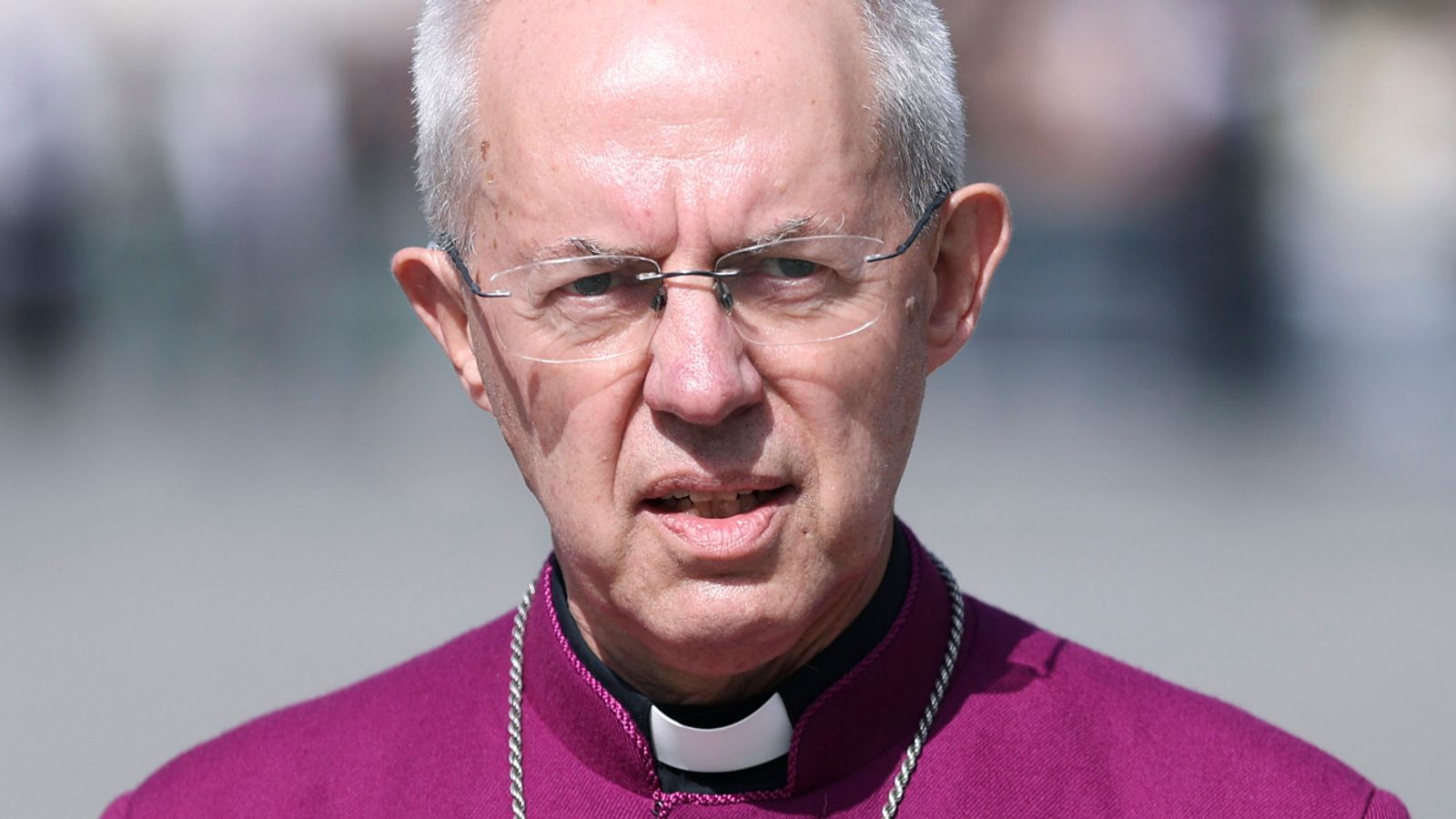

London — The Archbishop of Canterbury, Justin Welby, head of the global Anglican Church, announced his resignation following the release of a scathing report that reveals church leaders covered up widespread abuse by British barrister John Smyth QC.

The independent Makin Review, published this week, uncovered that Smyth abused more than 130 boys and young men in the UK and Africa while leading Christian camps in the 1970s and 1980s, inflicting physical, sexual, psychological, and spiritual harm.
The report found that church officials, despite early warnings, failed to act decisively, prioritizing the Church’s reputation over the safety of vulnerable young people.
In a statement, Welby, who became aware of Smyth’s abuse in 2013, expressed profound regret, acknowledging that he did not ensure a full investigation despite believing that the police had been informed.
“The Makin Review has exposed the long-maintained conspiracy of silence… I am profoundly sorry for the Church’s failure to protect these young people,” he said.
In his resignation letter, Welby conveyed a “profound sense of shame” over the Church’s repeated safeguarding failures, noting the severe damage done to trust in its leadership.
Bishop of Newcastle Helen-Ann Hartley, speaking on the Church’s ability to keep people safe, admitted, “At the moment, the answer is ‘no.’”
The Makin Review concluded that if Welby and other senior church leaders had acted promptly a decade ago, many victims could have been spared further trauma, and Smyth might have been brought to justice.
Instead, church officials engaged in a cover-up that allowed Smyth’s abuse to go unpunished.
For many survivors, this silence compounded their suffering, leaving lasting scars that continue to affect their lives.
The report’s findings have sparked public criticism, questioning the Church’s commitment to transparency and justice.
Welby’s resignation brings new scrutiny to the Church of England’s handling of abuse cases and marks the end of his decade-long leadership.
He pledged to personally meet with survivors and support further safeguarding reforms, acknowledging his failure to disrupt the Church’s historical pattern of secrecy and inaction.
“For nearly twelve years, I have struggled to introduce improvements,” Welby said. “It is for others to judge what has been done.”
His departure leaves a significant gap in the Church’s hierarchy, as advocates and survivors now call for transformative reforms that prioritize survivor care over institutional reputation.
As the Anglican community faces this painful reckoning, Welby’s resignation serves as a pivotal moment, urging the Church to confront its role in perpetuating cycles of abuse and silence.