

Lira, Uganda | The Lango Cultural Institution has secured 150,000 coffee wilt disease-resistant (CWD-R) planting materials worth UGX 300 million in a major intervention aimed at transitioning households from subsistence farming to commercial agriculture.
The seedlings, expected to benefit about 1,000 farmers across the Lango subregion, will be officially launched and distributed on April 16, 2026, at the Lango Cultural Centre by the Paramount Chief, Won-Nyaci Eng. Dr. Moses Michael Odongo Okune.
The development follows a formal request contained in a March 9, 2026 letter by the Won Nyaci Me Lango Office of the Prime Minister to the Ministry of Agriculture, Animal Industry and Fisheries (MAAIF), seeking 393,519 coffee seedlings for the 2026 planting season. The letter, authored by Prime Minister Willy Okullo, indicated that farmers across the subregion had already been mobilised, trained and registered, with duly filled MAAIF forms attached, expressing optimism that the initiative would lift households out of poverty through commercial coffee farming.
In response, MAAIF, through a letter dated March 27, 2026, from the Permanent Secretary Maj. Gen. David Kasura-Kyomukama confirmed allocation of 150,000 CWD-R coffee planting materials (clonal cuttings) to the institution. The ministry noted that the seedlings would be sourced from a nursery operator in Lira, with coordination from district agricultural officers to provide technical guidance. It further indicated that the government would pay UGX 2,000 per cutting upon verified supply, with the offer valid for two months ending May 27, 2026.
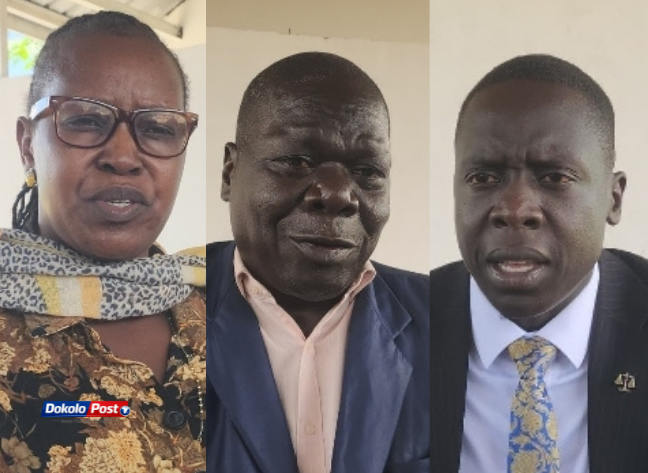
Speaking to the press on Monday at Lango Cultural Centre, the institution’s spokesperson, Counsel Patrick Okwir, said the support marked a significant step in efforts to transform farmers who have long depended on subsistence agriculture into income-earning producers through high-value crops such as coffee and cocoa.
Okwir called on clan chiefs to guide community members in filling forms indicating the number of seedlings required based on their land sizes, adding that more distributions will follow for those who may miss out on the first phase. He emphasized the need for beneficiaries to adhere to recommended agronomic practices to ensure successful cultivation.
The institution’s Minister for Agriculture, Animal and Fisheries, Michael Abeja, commended the government for extending coffee growing to Northern Uganda, noting that the region had for years lagged behind despite its historical potential. He explained that following years of insurgency, many households resorted to crops such as maize and soya beans, which fetch low returns and have done little to lift families out of poverty.
Abeja revealed that although the institution had requested 393,519 seedlings, only 150,000 were approved, meaning beneficiaries will receive quantities proportional to what they applied for. He added that strict monitoring will be undertaken to ensure that all distributed seedlings are planted and properly managed.
Regional Agricultural Officer Andrew Okello Awany said extensive farmer sensitisation has already been conducted across districts in Lango to equip beneficiaries with knowledge on coffee management. He noted that the partnership between MAAIF and the cultural institution has strengthened mobilisation efforts, given the influence of cultural leaders at the grassroots.
Deputy Minister for Agriculture, Animal and Fisheries Josephine Omara Olili cautioned residents against misconceptions that coffee can only thrive in central Uganda. She commended the cultural institution for championing wealth creation initiatives, saying the programme aligns with the government’s agenda of integrating households into the money economy.
The intervention is part of broader efforts by MAAIF to expand coffee production nationwide, with a target of increasing output to 20 million 60-kilogramme bags annually by 2030. Through such initiatives, the Government continues to promote coffee as a key driver of household income and national export earnings.