


Kampala, Uganda – Uganda’s education sector is at a crossroads as the Uganda National Examination Board (UNEB) and the Ministry of Education and Sports request over Shs61 billion in additional funding for the 2024/25 fiscal year to address critical challenges.
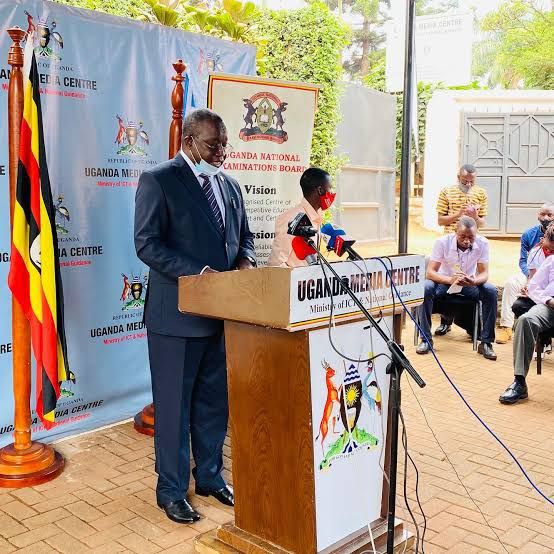
UNEB, tasked with managing national examinations, is appealing for Shs6.5 billion to improve conditions for examiners, including providing five meals daily during the marking process.
The board also requires Shs4.6 billion to enhance marking fees for its examiners and Shs1.3 billion to strengthen security features on learners’ result slips.
With a current budget of Shs10.2 billion, UNEB faces a funding shortfall of Shs16.7 billion.
Inflation and rising costs in examination processing have exacerbated the board’s financial woes, prompting Parliament’s Committee on Education and Sports to investigate the examiner-to-examinee ratio and push for better examiner compensation.
In a parallel crisis, the Ministry of Education is seeking Shs30.2 billion to acquire 100 financially struggling secondary schools and Shs6.4 billion to support 100 primary schools.
Each secondary school acquisition is estimated to cost Shs300 million, while each primary school requires Shs64 million. This Shs36.3 billion initiative aims to rescue schools previously managed by communities and NGOs that have proven unable to sustain operations.
However, these funds are absent from the Ministry’s national budget for 2024/25, raising concerns about how these initiatives will be financed.
The Ministry’s plan marks a significant departure from its historical vision of promoting public-private partnerships in education.
While private actors have traditionally played a key role in managing schools, their inability to meet financial challenges has forced the government to intervene directly.
“This shift aligns with Uganda’s National Development Plan III and the Education Sector Strategic Plan, which prioritize skills development, technological advancement, and inclusivity,” said Josephine Kavutse, a Ministry official, in a statement on X.
Despite the focus on inclusivity, critics warn that the government’s ambitions may be hindered by inadequate funding.
Parliament’s Committee on Education and Sports has been briefed on these challenges and is expected to advocate for urgent funding to sustain the proposed reforms.
As UNEB and the Ministry of Education await government support, questions remain about the sustainability of these initiatives.
Can Uganda address these financial shortfalls while maintaining the quality and inclusivity of its education system? Without swift intervention, the future of Uganda’s learners and educators hang in the balance.
Credit: pulseug.com
