
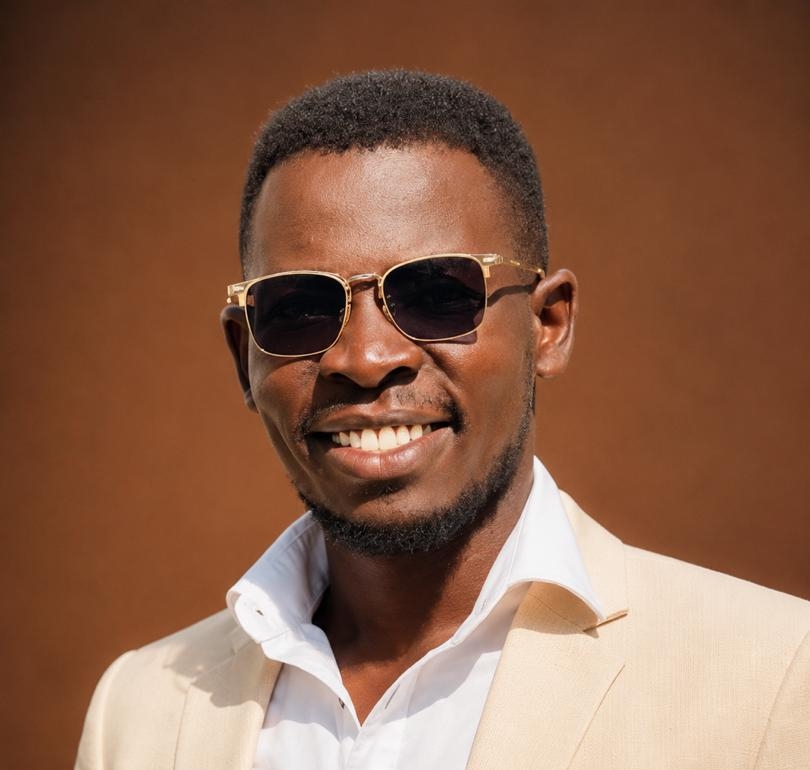

A lecturer at Victoria School of Nursing and Midwifery in Lira, Ajwer Norman Ocen, has called for greater attention to the welfare, education and development of boys, warning that neglecting their needs could have long-term consequences for families and society.
Ajwer, a lecturer, radio presenter at Unity FM in Lira, proprietor of Life Spring Medical Center in Lira, gender rights activist focusing on the girl child and climate change advocate, said boys have for years received limited attention in some social and development programmes, despite the responsibilities they are expected to assume as they grow into adulthood.
He said advocating for the rights and empowerment of girls should go hand in hand with addressing the challenges faced by boys, arguing that both sides require attention if society is to achieve meaningful and balanced development.
“For a very long time, boys have been forgotten. These boys are growing to become men, and by default, men are leaders,” Ajwer said.
He made the remarks while discussing his forthcoming book, What About We the Boys?, which examines challenges affecting boys and young men, including mental health, addiction, peer pressure, identity, relationships and social expectations.
The book has been completed but is yet to be officially launched.

Ajwer said the challenges facing boys are often discussed less openly, leaving some young men to struggle with emotional, social and economic pressures without adequate support.
He said men are “crying silently”, citing challenges such as domestic violence, relationship difficulties, financial pressure, emotional distress and other social problems.
According to Ajwer, some of these challenges can have wider consequences when they are not identified and addressed early.
He urged parents, schools, leaders, civil society organisations and other stakeholders to develop programmes that specifically support boys and young men through mentorship, counselling, life-skills training and career guidance.
Balancing the gender conversation
Ajwer said his experience as a gender rights activist focusing on the girl child has also exposed him to the importance of gender-focused interventions.
However, he argued that efforts to empower girls should not mean overlooking boys who may also be facing challenges requiring targeted interventions.
He called for a broader understanding of gender equality in which both boys and girls are given opportunities to learn, develop their talents and prepare for responsible adulthood.
“We need to ask ourselves: what are we doing for the boy child? What kind of man are we preparing him to become?” he said.
Ajwer said boys who lack adequate guidance and support may become vulnerable to negative peer influence, substance abuse, school dropout and other social challenges.
He urged parents and teachers to create environments where boys can openly discuss their concerns without fear of judgement.
Education and opportunities
Ajwer also raised concerns about education and employment opportunities for boys, saying interventions should take into account the different challenges affecting both sexes.
He called for increased investment in mentorship, vocational and technical skills, career guidance and entrepreneurship opportunities to help young people transition successfully into adulthood.
He said parents should also take an active role in understanding the pressures their sons face instead of concentrating solely on academic performance and discipline.
From boys to responsible men
Ajwer said investing in boys is a long-term investment in families and society because today’s boys will eventually become fathers, husbands, professionals, community members and leaders.
He said addressing their challenges early could help prevent some problems from becoming more difficult to resolve later in life.
His forthcoming book, What About We the Boys?, seeks to contribute to the conversation by examining issues affecting boys and young men and encouraging families, educators, policymakers and communities to pay greater attention to their experiences.
Ajwer, who also advocates for environmental protection and climate action, said development should ultimately focus on creating communities where young people of both sexes are supported to reach their potential and contribute positively to society.
He urged stakeholders to broaden conversations around gender, youth development and social welfare so that no group is left behind.
The book is expected to be officially launched at a later date.