
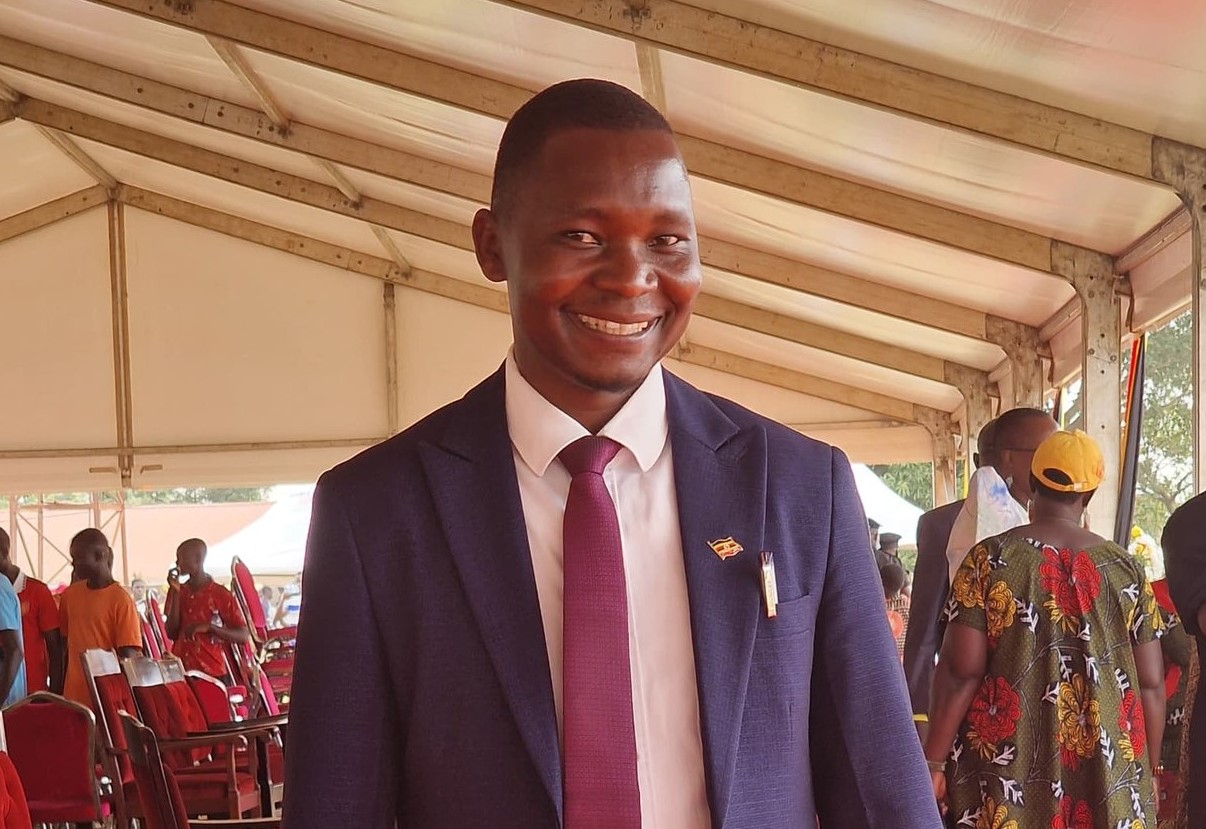

Lira, Uganda – In a landmark public engagement event, Lira Regional Referral Hospital (LRRH) held an accountability meeting on, commonly known as a “Barraza,” to address pressing healthcare challenges and chart a path for improvement.

The meeting, held on Thursday March 6, 2025, at LRRH, brought together key stakeholders, including hospital administrators, government officials, medical experts, and members of the public.
The discussions covered issues ranging from overwhelming patient numbers and resource constraints to political interference and misinformation.
Statistics presented at the meeting revealed that LRRH attended to 99,053 patients in 2024 alone, with 58,361 cases involving malaria tests.
Lira City Resident City Commissioner (RCC) Lawrence Egole expressed concerns over unnecessary congestion at the referral hospital and urged leaders to educate the public on utilizing lower-level health centers for basic medical services.
This, he argued, would reduce pressure on LRRH and ensure that specialists focus on complex cases requiring advanced medical care.
RCC Egole condemned politicians using social media to tarnish the hospital’s reputation, including false allegations of unattended dead bodies. He instructed security agencies to investigate and take necessary action against those fueling baseless narratives.
Despite limited resources, LRRH has made notable progress in healthcare delivery. However, several challenges persist, including: Late drug deliveries, inadequate staffing, shortages of medical supplies, overcrowding in the outpatient department (OPD) and ultrasound unit.
To address extortion by individuals posing as hospital staff, RCC Egole announced the establishment of a police post at LRRH.
This move is aimed at curbing corruption and ensuring patients receive services without undue financial burdens.
Beatrice Lagada, a Board Member of the National Medical Stores (NMS), expressed alarm over the rising teenage pregnancy rates in Lango, attributing 25% of cases to parental neglect and lack of community engagement.
She also acknowledged the prevalence of drug theft, noting that stolen medicines from lower health units often end up being sold in neighboring countries like Rwanda.
Ambassador Julius Peter Moto urged LRRH to demolish old, outdated buildings and replace them with modern infrastructure.
He further emphasized the need to recruit more specialists, including pediatric surgeons and anesthesiologists, to enhance service delivery.
Mercy Agenorwot, a concerned patient, raised issues regarding the overcrowded ultrasound scan room, where over 50 patients rely on only two radiographers.
Dr. Andrew Odur, the Acting Hospital Director, acknowledged the problem, citing inadequate staff and infrastructure as major hindrances.
He clarified that revenue generated from the hospital’s Private Wing goes directly to the Ministry of Finance, meaning LRRH does not directly benefit from these funds.
Hospital Administrator Dr. Odeke revealed that some politicians plant individuals at LRRH to divert patients to private clinics, where they allegedly earn commissions.
He criticized the politicization of health services, particularly the efforts of Health Minister Dr. Jane Ruth Aceng, and urged the public to rely on verified information rather than rumors.
Despite the challenges, several patients from Alebtong and Lira District praised LRRH’s service delivery, particularly recognizing Dr. Odur and Dr. Jane Ruth Aceng for their dedication.
Lira City West Division Mayor Rose Ongom also commended the hospital’s dialysis services but urged staff to improve their treatment of rural patients. She further called for civic leaders to intensify efforts in sensitizing children about teenage pregnancies.
Reverend Captain Samuel Fred Okello encouraged medical workers to treat their profession as a divine calling. He highlighted cases where destitute patients have survived on donations from social workers.
Christine Ogwal from Dokolo District shared a distressing experience in which student nurses struggled to find her veins, requiring senior nurses to step in.
Dr. Atyam Solomon, an orthopedic surgeon and lecturer at Kampala International University (KIU), stressed the need for greater awareness regarding road traffic accidents (RTAs).
He called for a clear policy on orthopedic implants, as many patients falsely believe such implants are government-supplied.
A pathologist at LRRH reported that politicians often pressure mortuary staff in handling certain cases, complicating their work and interfering with professional medical procedures.
Dr. James Okello, a gynecologist, revealed that Lango is among Uganda’s top three regions for cervical cancer cases. He recommended that HIV-negative women under 25 get screened every three years, while HIV-positive women should undergo annual screenings.
He also shared a tragic case of a 28-year-old woman who succumbed to breast cancer at LRRH. Additionally, he encouraged men to attend reproductive health checkups every Thursday.
Dr. Juliet Adongo Ochol, a pediatrician, highlighted alarming statistics on child mortality:
- 80% of perinatal deaths result from harmful cultural practices, such as local tongue-cutting rituals.
- 20 out of every 100 children in Lango are sicklers, demonstrating a high prevalence of Sickle Cell Disease (SCD).
- The neonatal unit, designed to accommodate 20 beds, serves over 80 babies per month, leading to severe overcrowding and inadequate ventilation.
Dr. Omongo, the Head of Accident and Emergency at LRRH, emphasized the complexity of trauma cases.
The Barraza provided a crucial platform for discussing LRRH’s strengths and weaknesses while proposing actionable solutions. Key resolutions from the meeting include:
- Community Sensitization: Leaders must educate the public on utilizing lower-level health centers to reduce unnecessary referrals.
- Countering Misinformation: Authorities will investigate and combat false reports about LRRH’s operations.
- Teenage Pregnancy Awareness: Civic leaders must engage communities in addressing teenage pregnancies and harmful cultural practices.
- Improved Resource Allocation: The government should allocate more funds to staffing and infrastructure expansion at LRRH.
LRRH Barraza reaffirmed the government’s commitment to enhancing healthcare delivery while emphasizing the need for collective responsibility among leaders, health workers, and the public.