
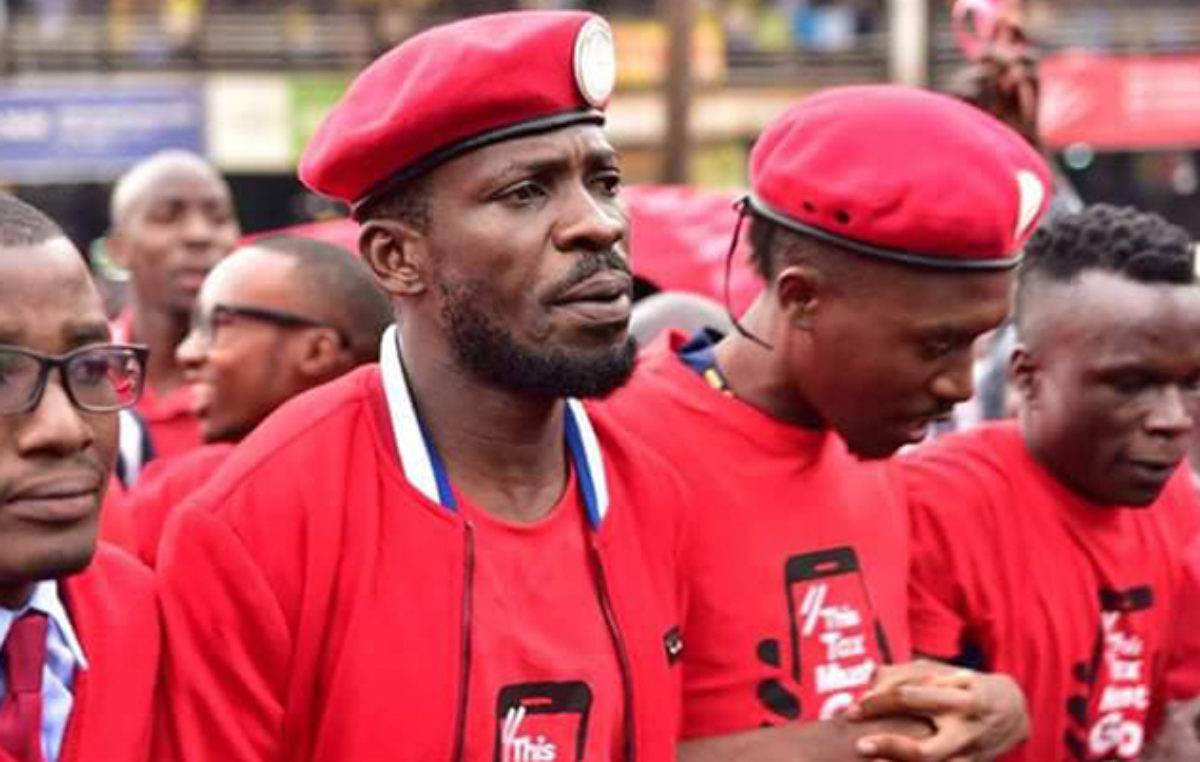

Kampala, Uganda – As Bobi Wine’s National Unity Platform (NUP) prepares to celebrate its fourth anniversary, the party finds itself embroiled in a political tug-of-war with the Ugandan government.

The Ministry of Defense’s recent decision to deny the NUP’s request to use the Kololo Ceremonial Grounds for their upcoming event has sparked debates about the state of democracy and human rights in the country.
The government’s justification for the denial – citing “ongoing infrastructural developments” – has been met with skepticism from opposition supporters and political observers alike.
Many argue that the decision is yet another example of the ruling National Resistance Movement’s (NRM) attempts to restrict the activities and visibility of dissenting voices.

Critics point to the NRM’s own past events at the Kololo venue, raising questions about a possible double standard in granting permission for public gatherings.
The selective application of regulations, they argue, highlights the need for a more level playing field in Ugandan politics, where all parties are given equal access to public spaces.
This latest development comes against the backdrop of ongoing concerns about the erosion of democratic institutions and civil liberties in Uganda.
Opposition leaders and human rights activists have long decried the government’s handling of political dissent and its perceived efforts to stifle the voices of those who challenge the status quo.
As the NUP searches for alternative arrangements to mark its anniversary, the controversy surrounding the Kololo venue serves as a powerful reminder of the challenges faced by those seeking to challenge the ruling party’s dominance.
With the country’s political landscape increasingly polarized, many are left questioning whether genuine democratic competition can flourish in an environment characterized by restrictions and perceived favoritism.
In the coming weeks, all eyes will be on the NUP as it navigates the fallout of the Kololo decision and seeks to maintain momentum in the face of adversity.
For the opposition party and its supporters, the anniversary celebration has become more than just a milestone – it is now a symbol of the ongoing struggle for political pluralism and a more inclusive democratic process in Uganda.