

By Haron Okwir
Otuke, Uganda | Health authorities in Otuke District have raised concern over the continued misuse of insecticide-treated mosquito nets, even as the government intensifies efforts to protect children through a newly rolled-out malaria vaccination campaign.
Speaking to Dokolo Post in an exclusive interview, Bazil Omonya, the District Health Educator (DHE) for Otuke, revealed that the vaccination exercise is currently targeting children aged 6 to 12 months, with the jab administered in four doses.
“…The first dose is given between 6 and 12 months of age. After that, the second dose follows a month later…,” Omonya explained, urging parents to ensure their children complete the vaccination schedule for maximum protection.
Omonya noted that malaria remains one of the leading health threats in the district.
Data from local health centres shows that 8 out of every 10 people tested for malaria turn out positive-a trend he described as alarming.
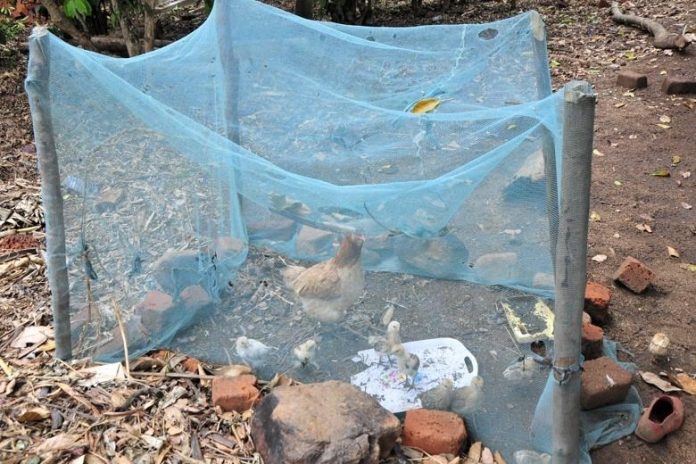
He underscored the need for communities to continue using mosquito nets properly, warning that some residents have repurposed them for activities such as fishing, fencing gardens, and drying grains.
“…These nets are meant to save lives, especially those of young children. Using them for other purposes only increases the risk of infection…,” he said.
The DHE emphasized that vaccination should complement, not replace, existing malaria prevention strategies, including proper net usage, improved hygiene, and regular environmental sanitation.
“…In Otuke, many homes are surrounded by overgrown bushes. We are urging residents to clear these areas and eliminate stagnant water, which serves as breeding grounds for mosquitoes…,” he added.
He further advised residents to adopt practical measures such as wearing long-sleeved clothing during the evening, shutting windows and doors early, and regularly checking on their health status at nearby health facilities.
Omonya also touched on the economic burden malaria places on households, pointing out that prevention is far cheaper than treatment.
“…Families spend a lot of money on treating malaria-money that could be used for school fees, buying seeds, or other essential needs. This vaccine will help reduce that financial pressure…,” he said.
Common signs and symptoms of malaria include severe headaches, fever, chills, and general body weakness. Omonya urged the public to seek early diagnosis and treatment whenever they notice any of these symptoms.
The ongoing vaccination campaign, he said, is a critical step in the broader fight against malaria—but one that must be supported by responsible community action.
“…We have a golden opportunity to reduce malaria infections in our communities. But for that to happen, everyone must play their part…,” Omonya concluded.