

Lira, Uganda | The Electricity Regulatory Authority (ERA) has warned that rising cases of vandalism, illegal power connections, and impersonation of electricity workers are undermining efforts to expand access to reliable electricity across the country.
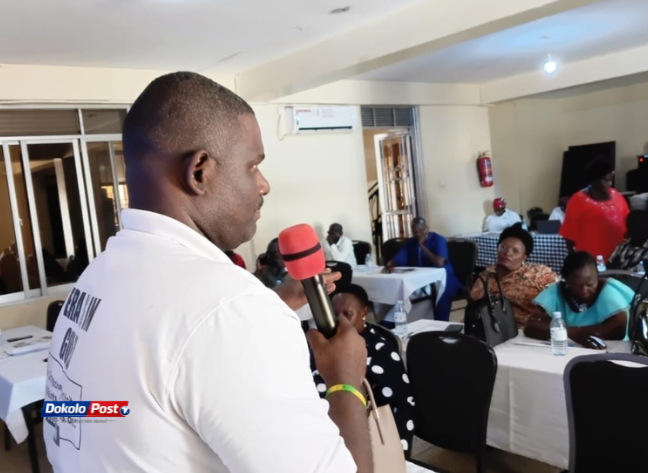
Speaking on behalf of ERA Chief Executive Officer Eng. Ziria Tibalwa Waako, the authority’s Principal Stakeholder Engagement Officer Ibrahim Kasita, said electricity infrastructure is a national asset that requires collective responsibility to protect.
Kasita noted that while government continues to invest in rural electrification and grid expansion, progress is being frustrated by theft of equipment, vandalism of power lines and illegal connections, often carried out by individuals exploiting gaps in enforcement.
He explained that such acts increase the cost of electricity for compliant consumers, disrupt supply and slow economic development, particularly in growing urban centres like Lira City.
Kasita said the actions affect all consumers, as the cost of repairs is ultimately passed on to them while also compromising service reliability.
He made the remarks on Tuesday during a stakeholder engagement meeting held at Hotel Good News in Lira City, attended by councillors, technocrats and local leaders.
He urged the public to remain vigilant, report suspicious activities and always verify the identity of technicians, warning that some fraudsters disguise themselves as electricity workers to extort money or carry out illegal connections.
Kasita also called on leaders to use community platforms, especially radio, to sensitise the public and discourage the growing tendency to glorify vandals.
He stressed that no single institution can address the vice alone and called for joint action between citizens, leaders and government agencies to safeguard electricity infrastructure.
ERA Regional Supervisor for Northern Uganda Keneth Muhumuza said the authority continues to monitor power reliability using indicators such as outage frequency, duration and voltage stability.
Muhumuza noted that efforts are underway to strengthen the distribution network through preventive maintenance, including replacement of old poles and upgrading of weak lines.
However, he said vandalism and aging infrastructure remain key causes of power outages, with some areas particularly affected due to reliance on single power lines.
He explained that in areas served by a single line, any fault results in a total blackout, underscoring the importance of protecting electricity infrastructure.
Lira City West Division Deputy Resident City Commissioner Joan Apio expressed concern over increasing vandalism, particularly at night, noting that damaged infrastructure is often discovered in the morning.
She also cited weak coordination between electricity agencies and security forces, explaining that suspects are sometimes released due to lack of evidence when statements are not recorded.
Apio warned that power outages at night expose communities to insecurity and emphasized the need for reliable electricity for both development and safety, calling for improved response by electricity officials and closer collaboration with law enforcement.
During the engagement, leaders raised concerns over alleged extortion by some electricity workers, illegal disconnections, and confusion over service provider roles following sector transitions.
In response, Kasita reiterated ERA’s zero tolerance to corruption, warning that any staff found engaging in extortion would face disciplinary action.
He encouraged the public to report all cases of misconduct, assuring that ERA would investigate and take action, even where its own staff are implicated.
Kasita also apologised to customers who may have experienced mistreatment, stressing the authority’s commitment to professionalism, accountability, and customer care.
He further highlighted the importance of electricity in driving industrial growth and economic empowerment, noting that Lira City’s expansion as a commercial hub depends on stable and affordable power.
The latest sector data highlights Uganda’s rapid electricity expansion, with capacity now at 2,098.6 MW from 56 power plants, backed by over 5,280.9 km of transmission lines and a 71,334 km distribution network serving more than 2.4 million customers at about 5.7 US cents per kWh. Regulated by the Electricity Regulatory Authority (ERA) since 2000, the industry has made significant strides in access and affordability. However, officials warn that power vandalism is severely undermining these gains, with criminals targeting critical infrastructure and causing billions of shillings in losses, driving up tariffs and disrupting supply to key sectors. They note that energy losses currently stand at 16%, further straining the system, and stress that without stronger public cooperation, the country’s electrification momentum could slow. Under the Electricity Amendment Act 2022, offenders now face stiff penalties of up to 15 years in prison or a fine of UGX 1 billion, as authorities push for a nationwide crackdown to protect the power network.