
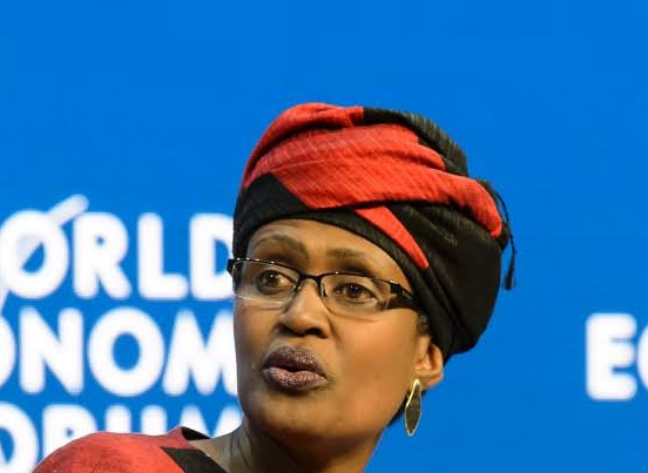

Kampala, Uganda – The recent decision by the US government to significantly cut funding for global HIV/AIDS programs is setting off alarm bells among health experts and global health organizations.
UNAids Executive Director Winnie Byanyima has strongly condemned these cuts, warning that they could lead to 2,000 new HIV infections each day and over six million additional deaths from AIDS-related causes over the next four years.
For years, the US has been the largest and most consistent donor to international HIV treatment and prevention efforts, with programs funded by the US Agency for International Development (USAID) playing a crucial role in saving lives and reducing HIV transmission.
In fact, the number of HIV-related deaths dropped from over two million in 2004 to 600,000 in 2023—a historic achievement in global public health.
However, Byanyima warns that the US funding cuts could undo this progress.
“This is not just a financial setback; it is a public health catastrophe that will impact millions of people, particularly in low – and middle-income countries,” she said. “The cuts have already led to the closure of essential programs, including mother-to-child HIV transmission prevention initiatives and vital ARV drug supplies.”
In several African nations, clinics have been forced to close, leaving thousands of pregnant women without the critical HIV services they need.
Additionally, there are increasing shortages of life-saving ARV drugs, which are crucial to keeping HIV patients healthy and preventing further transmission.
Many people living with HIV are now in danger of losing access to the care that has kept them alive for years.
One such person is Juliana, a young mother in Kenya who worked for a US-funded program that helped prevent mother-to-child transmission of HIV.
“Without the funding, we can’t continue the work we’ve been doing,” she said. “I fear for the future of my child and other families like mine who rely on these services.”
Byanyima’s concerns are echoed by the World Health Organization (WHO), which has warned that these funding cuts could “undo 20 years of progress” in combating HIV.
WHO Director-General Dr. Tedros Adhanom Ghebreyesus has highlighted that countries most affected by HIV, including South Africa, Nigeria, and Kenya, are already feeling the impact.
In South Africa, where nearly 8 million people live with HIV, the Treatment Action Campaign (TAC) has voiced concerns that the country could see a return to the days when HIV treatment was limited and many people died due to lack of access to medication.
“We can not afford to go back to those years,” said Sibongile Tshabalala, Chairperson of TAC. “We are calling on global leaders to step up and ensure that those living with HIV are not abandoned.”
Byanyima has proposed a potential solution: the introduction of Lenacapavir, a US-developed ARV that is administered via injection every six months.
UNAids believes that up to 10 million people could benefit from this new treatment. Byanyima has suggested that a deal with the Trump administration could be mutually beneficial, providing essential treatment to millions while also generating revenue for the US.
While the US has long been a leader in the global fight against HIV, the current cuts coupled with a lack of commitment from other traditional donors, including European nations leave the future of global HIV/AIDS programs in jeopardy.
UNAids and other global health organizations are now scrambling to fill the void left by the US.