

Lira, Uganda | HIV/AIDS continues to pose a significant threat to productivity and economic growth in Lira City, where an estimated 16,300 people are living with the virus, stakeholders have heard.

Speaking during a half-day workshop on HIV coordination and mainstreaming for leaders of small and medium enterprises (SMEs) in the Lango sub-region, Lira City HIV Focal Point Person Dr. Hillary Okello said the city’s HIV prevalence stands at 9%, higher than the regional average of 7%.
The workshop, held on Thursday at Happy Havens Children’s Park in Adyel, was organized to strengthen partnerships between the business community and health stakeholders in the fight against HIV/AIDS.
Okello revealed that HIV prevalence among key populations in Lira City stands at 42%, while the Uganda AIDS Commission’s December 2024 report indicates that about 350 new HIV infections occur daily across the country.
According to him, poverty has contributed to increased commercial sex work among young women, while factors such as multiple sexual partners, early sexual debut, wife inheritance, and inadequate parental guidance continue to fuel new infections.
Okello noted that HIV remains a concern for businesses because it affects people in their most productive years, reducing productivity and increasing health-related costs.
He, however, said Uganda has registered progress in reducing HIV-related deaths due to increased access to antiretroviral therapy (ART) and other government interventions.
“Many people living with HIV are leaving normal and productive lives because of treatment. Communities should therefore avoid stigma and discrimination against those living positively,” Okello said.
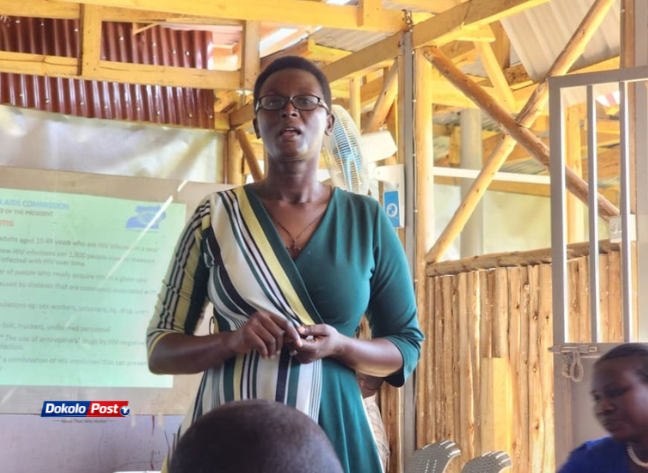
Adolescent and Young People Coordinator for HIV Prevention Dr. Maureen Kwikiriza described HIV as a health, social, economic, and cultural challenge that requires collective action.
She said adolescent girls and young women remain disproportionately affected by the epidemic, with girls aged between 15 and 29 years contributing significantly to new infections.

Kwikiriza revealed that one in every three female sex workers is living with HIV, with prevalence among the group standing at 33%.
She urged the public to embrace prevention measures, including abstinence, faithfulness, correct and consistent condom use, HIV testing, and uptake of preventive interventions such as Pre-Exposure Prophylaxis (PrEP) and Post-Exposure Prophylaxis (PEP).
National Chamber of Commerce and Industry Executive Director Morris Chris Ongom called upon business leaders to prioritize healthy lifestyles and support workplace HIV prevention programmes.

He said good health is essential for wealth creation and sustainable business growth, adding that the private sector has a critical role to play in reducing HIV infections.
Nationally, Ministry of Health estimates for 2025 indicate that 1.5 million Ugandans are living with HIV, while 1.3 million are on antiretroviral treatment.
The country has recorded a 64% reduction in annual AIDS-related deaths, from 56,000 in 2010 to 20,000 in 2024. New HIV infections have also declined from 96,000 in 2010 to 37,000 in 2024.
Despite the gains, HIV remains a public health challenge, with an estimated five new infections occurring every hour and about 384 AIDS-related deaths reported weekly.


Health experts warned that adolescents and young people aged between 15 and 24 years continue to bear a disproportionate burden of new infections, underscoring the need for intensified prevention efforts if Uganda is to achieve its target of ending AIDS as a public health threat by 2030.